

Top Robot Palletizing Case Studies: Real-World Automation Success Stories

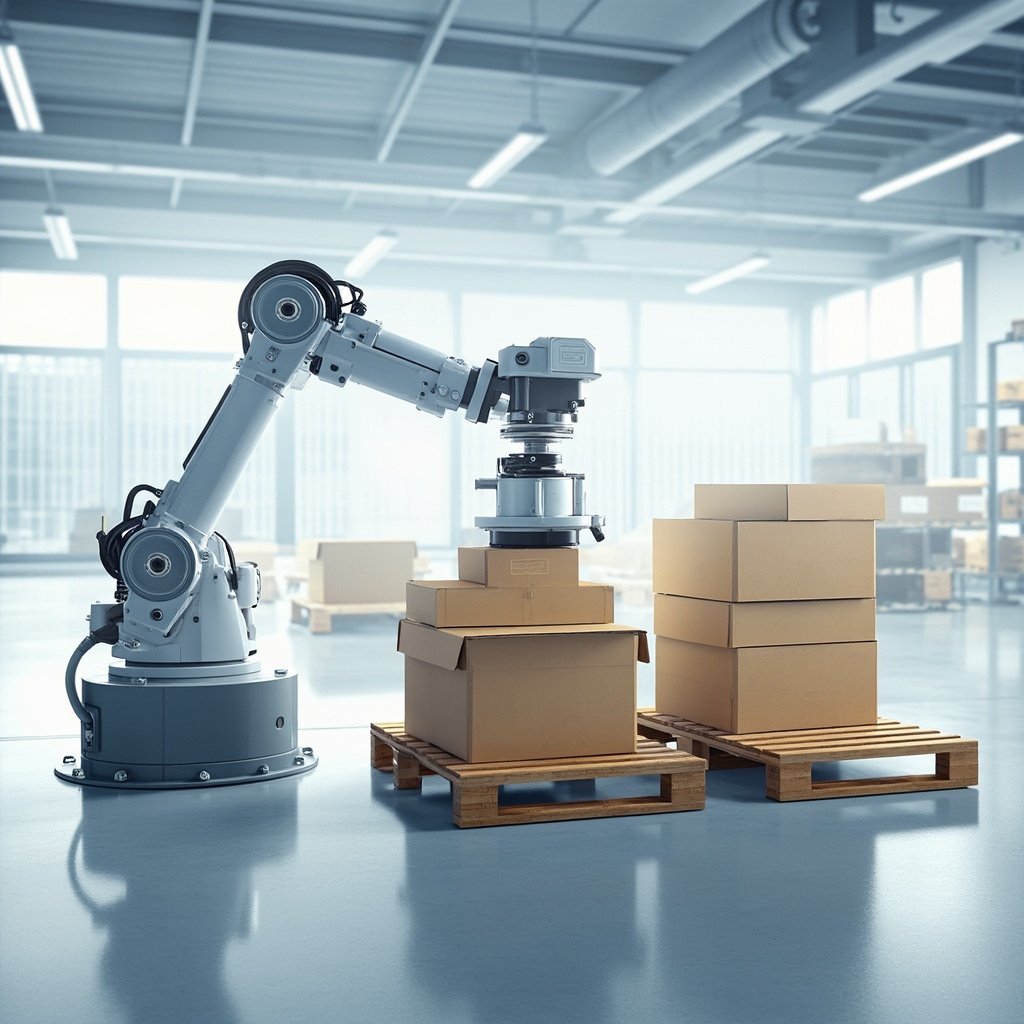
The landscape of industrial manufacturing has undergone a remarkable transformation with the adoption of robot palletizing systems. As companies strive for operational efficiency, reduced labor costs, and consistent quality, automated palletizing has emerged as a game-changing solution across multiple industries. This comprehensive article examines real-world robot palletizing case studies that demonstrate the tangible benefits, implementation challenges, and measurable outcomes achieved by organizations that have embraced this technology. From food and beverage production to pharmaceutical packaging, these case studies provide valuable insights for decision-makers considering investments in automated palletizing solutions.
Understanding Robot Palletizing Technology
Robot palletizing refers to the use of industrial robotic systems to automatically stack and arrange products onto pallets for storage or shipment. Unlike manual palletizing, which requires significant human labor and is prone to inconsistencies and injuries, robotic systems offer precision, speed, and reliability that transform warehouse and production line operations.
Modern automated palletizing systems typically incorporate several key components that work together to achieve optimal performance:
- Articulated robotic arms with multiple degrees of freedom for flexible product handling
- End-of-arm tooling (EOAT) designed for specific product types, including grippers, vacuum systems, and mechanical clamps
- Vision systems for product identification, quality inspection, and position detection
- Conveyor integration for seamless product flow from production lines to palletizing stations
- Programmable logic controllers (PLCs) and software for system coordination and recipe management
- Pallet dispensers and conveyors for automated pallet handling and discharge
Case Study 1: Food and Beverage Industry Transformation
Background and Challenges
A leading North American beverage manufacturer operating a high-volume production facility faced significant operational challenges with their manual palletizing operations. The company produced over 50,000 cases of canned and bottled beverages daily, requiring extensive manual labor for palletizing tasks. Worker turnover rates exceeded 40% annually due to the physically demanding nature of the work, resulting in continuous recruitment and training costs. Additionally, inconsistent pallet patterns led to product damage during storage and transportation, with approximately 3% of products affected annually.
Implementation and Solution
The company invested in a four-robot palletizing system featuring FANUC M-410iC/185 industrial robots, each capable of handling up to 2,200 pounds per hour. The implementation included custom-designed vacuum grippers optimized for various package formats, including cans, bottles, and cartons. Integration with existing conveyor systems allowed for automatic product sorting and routing to appropriate palletizing stations based on product type and destination.
Measurable Results
| Performance Metric | Before Implementation | After Implementation | Improvement |
|---|---|---|---|
| Palletizing Rate | 40 cases/hour | 120 cases/hour | +200% |
| Labor Required | 24 operators | 6 technicians | -75% |
| Product Damage | 3.0% | 0.5% | -83% |
| Annual Labor Cost | $1,920,000 | $480,000 | -75% |
| Payback Period | N/A | 18 months | — |
Case Study 2: Pharmaceutical Packaging Excellence
Background and Challenges
A major pharmaceutical company’s distribution center struggled with the complex requirements of handling sensitive medical products. The facility processed over 200 different SKUs including bottles, vials, blister packs, and cartons with varying weights from 50 grams to 5 kilograms. Manual palletizing resulted in frequent regulatory compliance issues, as inconsistent stacking patterns made proper serialization and tracking difficult. The company also faced challenges maintaining the stringent cleanliness requirements essential for pharmaceutical environments.
Implementation and Solution
The pharmaceutical company deployed ABB IRB 6700 robots equipped with specialized cleanroom-compatible tooling. Each robotic cell featured HEPA-filtered enclosures to maintain ISO Class 7 environment standards. The system incorporated advanced vision technology for 100% verification of product labels, expiry dates, and serial numbers before palletization. Integration with the company’s warehouse management system (WMS) enabled automatic generation of GS1-compliant pallet labels with full traceability data.
Key Benefits Achieved
- 100% traceability achieved through integrated serialization and barcode verification systems
- Regulatory compliance improved with automated documentation and audit trail generation
- Cleanroom contamination risk eliminated through enclosed robotic systems with positive pressure environments
- Product changeover time reduced by 85% through automatic tool changing and recipe management
- Operator exposure to hazardous materials reduced through remote monitoring and automated handling
- Annual cost savings of $2.1 million achieved through labor optimization and reduced compliance penalties
⚠️IMPORTANT CONSIDERATION
When implementing robot palletizing systems in pharmaceutical environments, ensure compliance with FDA 21 CFR Part 11 requirements for electronic records and signatures. All robotic systems must have comprehensive validation documentation, including Installation Qualification (IQ), Operational Qualification (OQ), and Performance Qualification (PQ) protocols. Regular environmental monitoring and tooling maintenance schedules are critical to maintaining regulatory compliance and preventing contamination issues.
Case Study 3: Automotive Parts Manufacturing
Background and Challenges
An automotive parts manufacturer producing heavy components including engine blocks, transmission cases, and suspension parts required palletizing solutions capable of handling weights up to 500 kilograms. Manual handling of these heavy components resulted in frequent musculoskeletal injuries and ergonomic concerns. The company also struggled with 24/7 production demands, requiring multiple shifts of operators for palletizing operations. Space constraints in the existing facility limited options for system expansion.
Implementation and Solution
Back to list