

Magnetic Switch Selection Guide: How to Choose the Best One for Your Needs

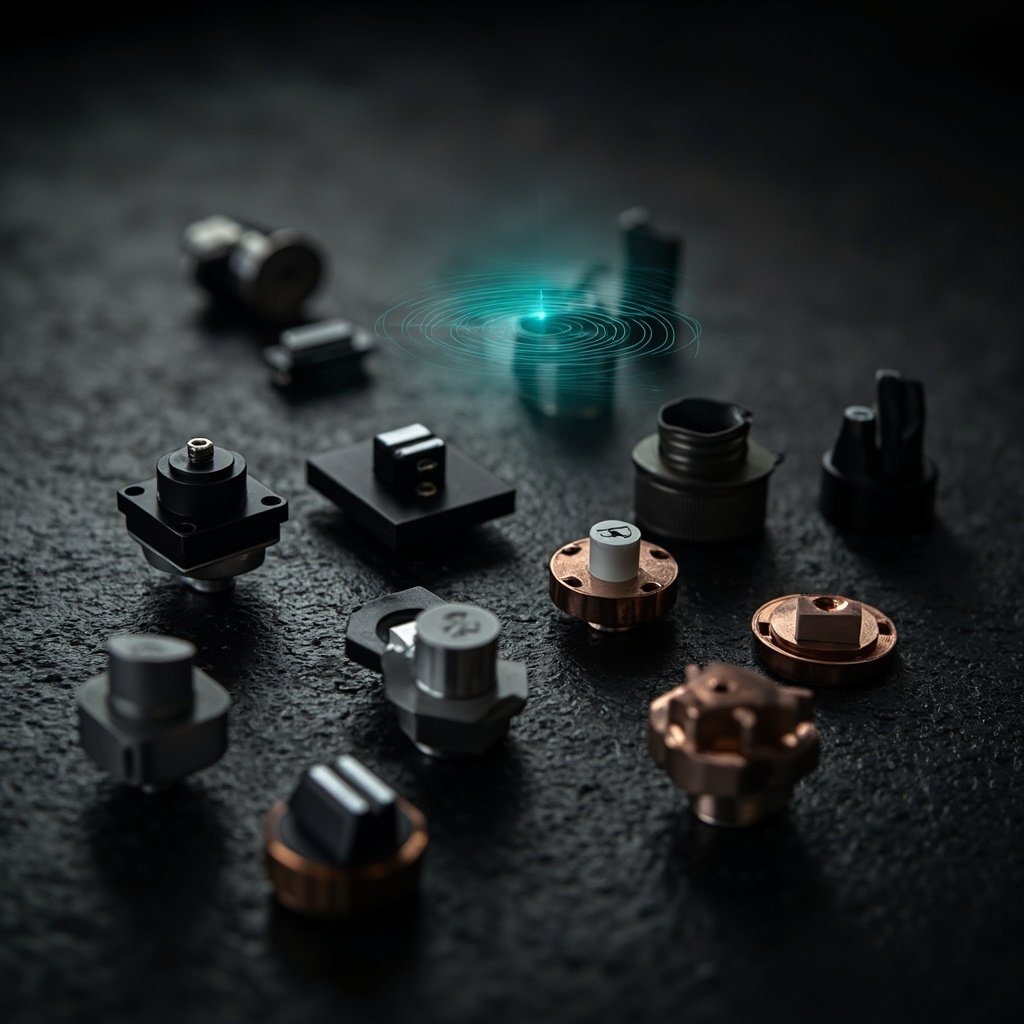
Selecting the right magnetic switch is a critical decision for engineers, hobbyists, and keyboard enthusiasts who demand precision, longevity, and reliability. Unlike traditional mechanical switches that rely on physical metal contacts, magnetic switches use electromagnetic principles—most commonly the Hall effect—to detect actuation. This technology offers contactless operation, exceptional durability, and customizable trigger points. However, choosing the ideal magnetic switch requires understanding several technical factors, including sensing distance, actuation force, response time, and environmental resilience. This guide breaks down everything you need to know to make an informed decision.
What Is a Magnetic Switch?
A magnetic switch is an electromechanical device that operates using changes in a magnetic field rather than physical contact between metal parts. The most common type is the Hall effect switch, which uses a semiconductor sensor to detect the presence of a magnet. When a magnet moves close to the sensor, it generates a voltage signal (the Hall voltage) that triggers the switching action.
Because there is no physical contact between moving parts, magnetic switches offer several advantages over traditional mechanical switches:
- Extended lifespan — often exceeding 100 million actuations
- No contact bounce or electrical arcing
- Adjustable actuation points via firmware or hardware
- Resistance to dust, moisture, and vibration
- Silent operation with no click or chatter
Types of Magnetic Switches
Magnetic switches come in several variants, each suited to specific applications. Understanding the differences will help narrow your selection.
1. Hall Effect Switches
These switches use a Hall effect sensor to detect the position of a magnet. They are fully analog, meaning they can report the exact distance of the magnet, allowing for variable actuation points. They are the gold standard for high-end mechanical keyboards and precision industrial applications.
2. Reed Switches
Reed switches consist of two ferromagnetic reeds sealed inside a glass tube. When a magnet approaches, the reeds attract and close the circuit. They are binary (on/off) and known for their simplicity, low cost, and long life in low-power applications like door sensors and legacy keyboards.
3. Magnetic Proximity Sensors
These sensors detect the presence of a magnetic field without moving parts. Common in industrial automation, they often include built-in amplifiers and signal conditioning, making them ideal for harsh environments and machine control systems.
Key Selection Criteria
Choosing the right magnetic switch depends on evaluating several technical parameters against your specific use case. The following criteria should be assessed:
- Sensing Distance: The range at which the switch reliably detects a magnet. Typical values range from 1 mm to 10 mm.
- Actuation Force: For keyboard applications, this is the force needed to register a keystroke—commonly between 30 g and 60 g.
- Response Time: The delay between magnet movement and signal output, often measured in microseconds.
- Power Consumption: Critical for battery-powered or wireless devices.
- Operating Temperature: Industrial environments may require switches rated for -40 °C to +125 °C or higher.
- IP Rating: For waterproof or dustproof applications, look for IP67 or IP68 ratings.
Comparison of Magnetic Switch Technologies
The table below provides a side-by-side comparison of the most common magnetic switch types to help guide your selection process.
| Feature | Hall Effect Switch | Reed Switch | Magnetic Proximity Sensor |
|---|---|---|---|
| Output Type | Analog / Digital | Digital (Binary) | Digital / Analog |
| Adjustable Actuation | Yes (0.1 mm – 4.0 mm) | No | Limited |
| Lifespan | 100M+ actuations | 50M+ actuations | 100M+ actuations |
| Response Time | < 5 µs | ~1 ms | < 10 µs |
| Power Consumption | Low (with sleep modes) | Zero (passive) | Moderate |
| Cost | High | Low | Medium |
| Best For | Premium keyboards, robotics | Sensors, simple circuits | Industrial automation |
Application-Specific Considerations
Different applications impose different demands on magnetic switches. Here’s how to think about your specific use case.
For Mechanical Keyboards
Gamers and typists benefit most from Hall effect switches because they allow per-key actuation depth calibration through software. Look for switches that support 0.1 mm actuation resolution and have a polling rate of at least 1000 Hz for competitive gaming.
For Industrial Equipment
In factories, magnetic switches must withstand oil, dust, vibration, and temperature extremes. Choose switches with IP67 or higher ratings, stainless steel housings, and a wide operating temperature range. Magnetic proximity sensors with built-in surge protection are often the best choice.
For Automotive Applications
Automotive sensors must meet stringent reliability standards (such as AEC-Q100). Look for qualified Hall effect ICs with built-in diagnostics, reverse polarity protection, and high immunity to electromagnetic interference.
Common Mistakes to Avoid
Even experienced engineers can make costly mistakes when selecting magnetic switches. Avoid these pitfalls:
- Ignoring magnet polarity and orientation — the magnet must be aligned with the sensor’s sensitive axis.
- Underestimating temperature effects — magnetic flux density changes with temperature, affecting actuation distance.
- Overlooking hysteresis — the difference between trigger and release points can affect performance.
- Forgetting about ESD protection — Hall effect sensors can be damaged by static discharge during handling.
- Choosing the wrong magnet material — neodymium (NdFeB) is typically strongest, but samarium cobalt works better at high temperatures.
⚠ Pro Tip: Always test your magnetic switch in the actual operating environment before finalizing your design. Magnetic field strength can be affected by nearby ferromagnetic materials, including steel chassis, screws, and even the PCB itself. A 1 mm misalignment or the wrong magnet orientation can reduce sensitivity by 30% or more.
Final Recommendations
When selecting a magnetic switch, follow a structured approach: define your application requirements, evaluate the key selection criteria outlined above, and compare at least three qualified candidates. Pay close attention to manufacturer datasheets, which typically include detailed performance curves, derating information, and application notes.
For most consumer electronics, Hall effect switches offer the best balance of