

Chain Drive Applications: Types, Uses, and Industrial Benefits

Comments Off on Chain Drive Applications: Types, Uses, and Industrial Benefits
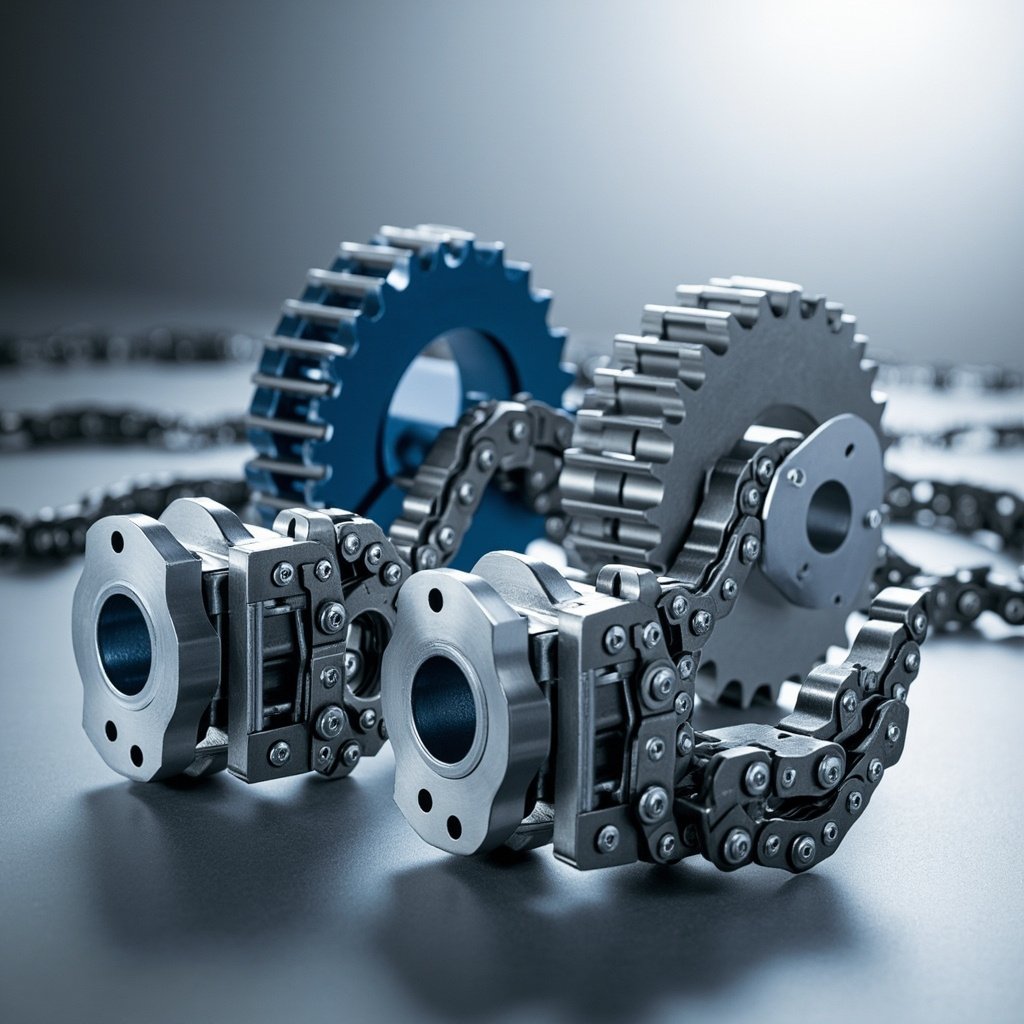
Chain drives are one of the most reliable and widely used mechanical power transmission systems in the world. From bicycles and motorcycles to heavy industrial machinery, chain drives play a critical role in transferring mechanical energy between rotating shafts. Their high efficiency, durability, and ability to handle heavy loads make them indispensable in countless applications. This comprehensive guide explores the diverse chain drive applications across multiple industries, examining how this time-tested technology continues to power modern machinery and equipment.
A chain drive consists of an endless chain that meshes with toothed sprockets to transmit power. Unlike belt drives, chain drives offer positive engagement, meaning there is no slippage, which ensures precise timing and consistent power delivery. This unique characteristic has made chain drives the preferred choice in scenarios requiring high torque, synchronization, and longevity.
What Is a Chain Drive?
A chain drive is a mechanical power transmission system that uses a series of interconnected links, called a chain, to transfer rotational motion and power from one sprocket to another. The chain wraps around toothed wheels (sprockets) mounted on shafts, and as one sprocket rotates, the chain carries the motion to the other sprocket, enabling power transfer.
Chain drives are typically constructed from carbon steel, stainless steel, or alloy materials, depending on the application requirements. Common chain types include roller chains, silent chains, leaf chains, and engineering class chains, each designed for specific load capacities and operating conditions.
Major Industries and Applications of Chain Drives
Chain drives are utilized in virtually every industry that requires mechanical power transmission. Below is a detailed overview of the most prominent chain drive applications across various sectors.
1. Automotive and Transportation Industry
The automotive sector is one of the largest consumers of chain drives. In motorcycles, bicycles, and scooters, chains are the primary means of transferring power from the engine or pedals to the rear wheel. Automotive timing chains synchronize the rotation of the crankshaft and camshaft, ensuring precise valve timing in internal combustion engines.
- Motorcycles and bicycles: Drive chains for power transmission from engine or pedals to wheels
- Automotive engines: Timing chains for synchronizing camshaft and crankshaft
- Industrial vehicles: Conveyor chains in trucks and material handling vehicles
- Railways: Drive chains in locomotive auxiliary systems
2. Industrial Manufacturing and Machinery
In manufacturing plants, chain drives are essential components of conveyor systems, assembly lines, and production equipment. They provide the high torque capacity and reliability required for continuous operation in demanding industrial environments. Chain conveyors are used to transport heavy materials, parts, and products across production floors.
| Industry | Chain Drive Application | Key Benefit |
|---|---|---|
| Manufacturing | Conveyor systems, assembly lines | High load capacity |
| Agriculture | Tractors, harvesters, irrigation | Durability in harsh conditions |
| Mining | Crushers, draglines, underground conveyors | Extreme load handling |
| Oil & Gas | Drilling rigs, pumping units | Reliability under stress |
| Construction | Cranes, excavators, mixers | Power density and compactness |
3. Agricultural Applications
Agricultural machinery relies heavily on chain drives for various operations, including tilling, harvesting, planting, and material handling. Chain drives in agricultural equipment are exposed to dust, moisture, and abrasive materials, making robust sealing and lubrication essential. They are commonly found in:
- Combine harvesters: Driving threshing drums, augers, and cutting mechanisms
- Tractors: Power take-off (PTO) systems and auxiliary drives
- Balers and mowers: Driving cutting and baling mechanisms
- Irrigation systems: Powering large water pumps and distribution systems
4. Mining and Heavy Equipment
The mining industry demands power transmission systems that can operate in the most extreme conditions. Chain drives are extensively used in mining equipment such as draglines, shovels, conveyors, and crushers. Their ability to handle massive shock loads and continuous duty cycles makes them ideal for moving raw materials like coal, ore, and aggregates.
⚠️ Important Tip: When using chain drives in mining or heavy industrial applications, always ensure proper lubrication, regular inspection, and timely replacement of worn components. Harsh operating conditions accelerate wear, and a chain failure can lead to costly downtime and safety hazards.
5. Material Handling and Logistics
In warehouses, distribution centers, and packaging facilities, chain-driven conveyors move products efficiently across various stages of processing. Chain drives are used in forklift trucks, palletizers, automated storage systems, and overhead conveyors. They offer precise indexing and synchronization, which is critical for automated packaging lines.
6. Power Transmission in Power Plants
Power generation facilities, including coal, gas, and hydroelectric plants, use chain drives to operate various auxiliary systems. These include coal handling conveyors, ash disposal systems, feed water pumps, and turbine control mechanisms. The high reliability and low maintenance of chain drives make them suitable for critical infrastructure applications.
Advantages of Chain Drives in Modern Applications
Chain drives offer several advantages that contribute to their widespread adoption in various industries. Understanding these benefits helps engineers and designers select the right power transmission solution for their specific needs.
| Advantage | Description |
|---|---|
| No Slippage | Positive engagement ensures accurate timing and consistent power delivery |
| High Efficiency | Typically 97-98% efficient under optimal conditions |
| High Torque Capacity | Capable of transmitting significant power over short distances |
| Compact Design | High power density allows for space-saving installations |
| Versatility | Can connect multiple shafts and operate in various orientations |
Limitations of Chain Drives
Despite their numerous advantages, chain drives also have certain limitations that must be considered during the design and selection process:
- Noise and vibration: Chain drives generate more noise compared to belt or gear drives, especially at high speeds
- Lubrication requirements: Regular lubrication is essential to prevent premature wear and elongation
- Maintenance needs: Chains stretch over time and require periodic tensioning and replacement
- Speed limitations: Not suitable for extremely high-speed applications due to centrifugal forces
- Misalignment sensitivity: Requires precise alignment of sprockets to avoid uneven wear