

Edge Computing in Manufacturing: Benefits and Implementation Guide

Comments Off on Edge Computing in Manufacturing: Benefits and Implementation Guide
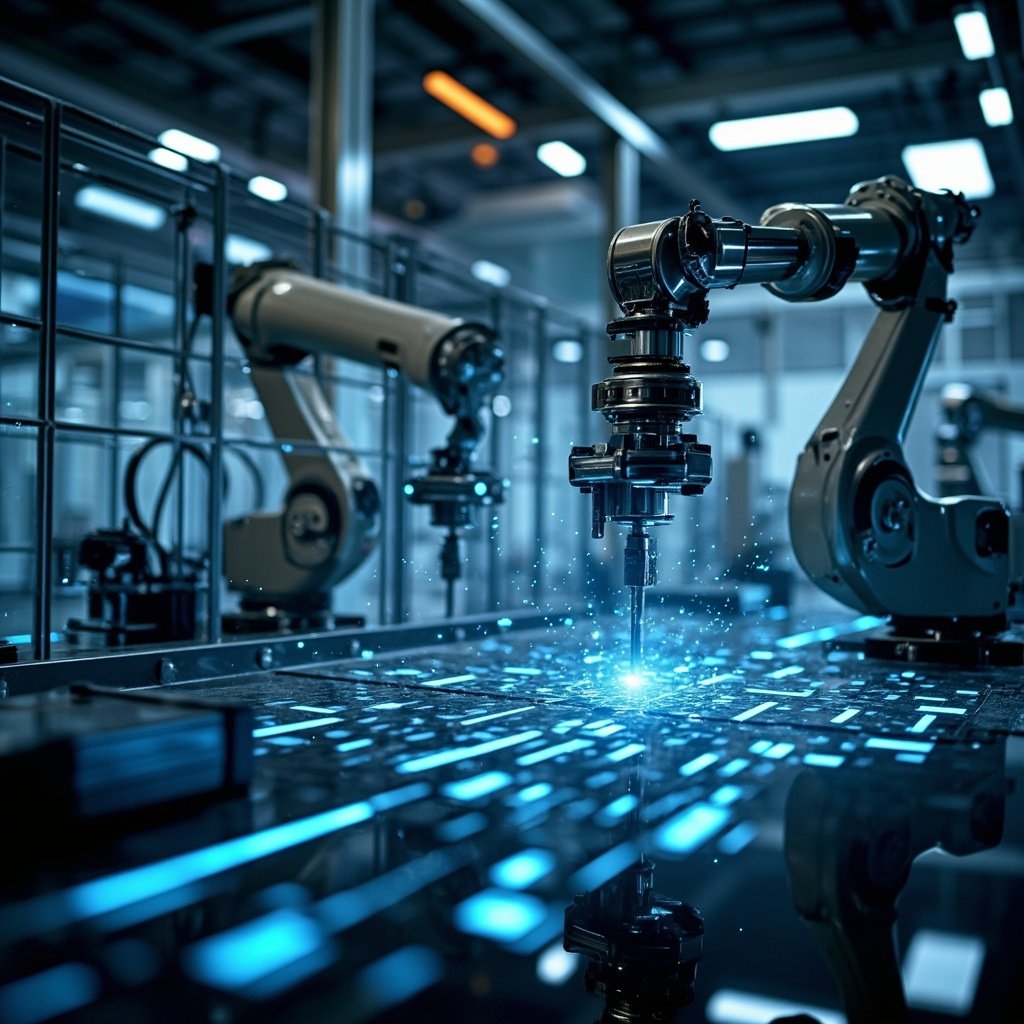
The manufacturing industry is experiencing a profound transformation driven by the convergence of Industrial Internet of Things (IIoT), artificial intelligence, and real-time data processing requirements. As factories become increasingly connected and automated, the limitations of traditional cloud-centric computing architectures have become apparent. Edge computing has emerged as a game-changing paradigm that brings computation and data storage closer to the sources of data, enabling manufacturers to achieve unprecedented levels of operational efficiency, reduced latency, and enhanced decision-making capabilities. This comprehensive guide explores the implementation strategies, benefits, challenges, and best practices for deploying edge computing solutions in modern manufacturing environments.
Understanding Edge Computing in Manufacturing Context
Edge computing refers to the practice of processing data near its source—at the “edge” of the network—rather than sending all information to centralized cloud data centers. In manufacturing settings, this means deploying computing resources directly on the factory floor, within machinery, or in local servers that serve specific production lines or facilities. The fundamental principle involves distributing computational capabilities across multiple points, creating a decentralized architecture that can handle time-critical operations without relying solely on cloud connectivity.
The manufacturing sector generates massive volumes of data from sensors, machines, and automated systems. A single modern factory can produce terabytes of data daily from temperature sensors, pressure monitors, vision systems, and quality control equipment. Traditional architectures that funnel all this data to cloud servers face inherent challenges including network congestion, latency issues, bandwidth limitations, and concerns about data security and privacy. Edge computing addresses these challenges by processing the most time-sensitive data locally while still leveraging cloud resources for complex analytics and long-term storage.
Key Benefits of Edge Computing Implementation
Reduced Latency and Real-Time Processing
One of the most compelling advantages of edge computing in manufacturing is the dramatic reduction in latency. When critical operations like defect detection, robotic coordination, or safety system responses require processing in milliseconds, the round-trip time to a distant cloud server becomes unacceptable. Edge computing eliminates this delay by processing data locally, enabling real-time responses that are essential for maintaining production quality and worker safety.
Bandwidth Optimization and Cost Reduction
Transmitting raw data from thousands of sensors to cloud servers requires substantial bandwidth infrastructure. Edge computing solves this problem by filtering, aggregating, and processing data locally, meaning only relevant insights and summarized information need to traverse the network. This approach can reduce bandwidth requirements by up to 90%, resulting in significant cost savings on network infrastructure and cloud storage expenses.
Enhanced Reliability and Resilience
Manufacturing operations cannot afford extended downtime caused by network outages or cloud service disruptions. Edge computing creates a distributed architecture where local systems can continue operating independently during connectivity issues. This resilience is particularly crucial for mission-critical applications like safety monitoring, emergency shutdown systems, and continuous production processes that must function regardless of external network conditions.
⚠️ Critical Implementation Warning
Never implement edge computing solutions without comprehensive cybersecurity protocols. Manufacturing edge environments are increasingly targeted by sophisticated cyberattacks. Every edge device represents a potential entry point for malicious actors. Ensure robust authentication, encryption, regular security updates, and network segmentation are fundamental components of your implementation strategy. The consequences of a security breach in a manufacturing environment can extend beyond data loss to physical harm of workers and catastrophic equipment damage.
Improved Data Security and Compliance
Keeping sensitive manufacturing data on-premises rather than transmitting it to third-party cloud services provides greater control over information security. This is particularly important for manufacturers handling proprietary processes, trade secrets, or regulated materials. Edge computing enables organizations to maintain data sovereignty while still benefiting from advanced analytics capabilities.
Strategic Implementation Framework
Phase 1: Assessment and Planning
Successful edge computing implementation begins with thorough assessment of current infrastructure, data flows, and operational requirements. Manufacturers should conduct comprehensive audits of existing equipment, network capabilities, and data processing needs. This phase involves identifying which applications require real-time processing, which can tolerate slight delays, and which generate the highest data volumes.
Key considerations during planning include evaluating the computational requirements of edge workloads, determining appropriate hardware specifications, assessing network connectivity options, and establishing clear objectives for the implementation. Organizations should develop detailed requirements documentation that covers performance metrics, scalability needs, security requirements, and integration specifications.
Phase 2: Architecture Design
The architecture design phase establishes the framework for deploying edge resources across the manufacturing environment. This involves determining the hierarchy of edge layers—from device-level edge computing embedded in sensors and controllers, to line-level edge serving production cells, to facility-level edge managing entire factories. Each layer serves specific purposes and handles appropriate workloads.
Modern manufacturing edge architectures typically incorporate a hybrid model that distributes workloads across edge, fog, and cloud layers based on their characteristics. Time-critical applications remain at the edge, analytics requiring broader datasets move to fog computing, and long-term storage with complex processing leverage cloud resources. This tiered approach maximizes the benefits of each computing paradigm while maintaining system coherence.
Phase 3: Technology Selection
Selecting appropriate technologies is critical for successful implementation. Hardware choices include industrial-grade edge servers, ruggedized computing platforms, system-on-module solutions, and specialized edge appliances designed for manufacturing environments. These devices must withstand temperature variations, vibration, electromagnetic interference, and other harsh conditions typical of factory floors.
Software selection encompasses operating systems optimized for edge deployment, container orchestration platforms like Kubernetes for managing distributed applications, edge-specific middleware, and development frameworks for building edge-native applications. Organizations should evaluate solutions based on scalability, interoperability, vendor support, and total cost of ownership.
Edge Computing vs. Traditional Cloud Computing
Understanding the differences between edge and cloud computing helps manufacturers make informed decisions about workload placement. The following comparison highlights key distinctions:
| Characteristic | Edge Computing | Cloud Computing |
|---|---|---|
| Latency | 1-10 milliseconds | 50-200+ milliseconds |
| Bandwidth Usage | Minimal (local processing) | High (continuous transmission) |
| Data Residency | On-premises (secure) | Third-party (shared) |
| Reliability | High (offline capable) | Dependent on connectivity |
| Scalability | Limited by hardware | Virtually unlimited |