

VFD Input Reactor Selection Guide: How to Choose the Right Size

Comments Off on VFD Input Reactor Selection Guide: How to Choose the Right Size
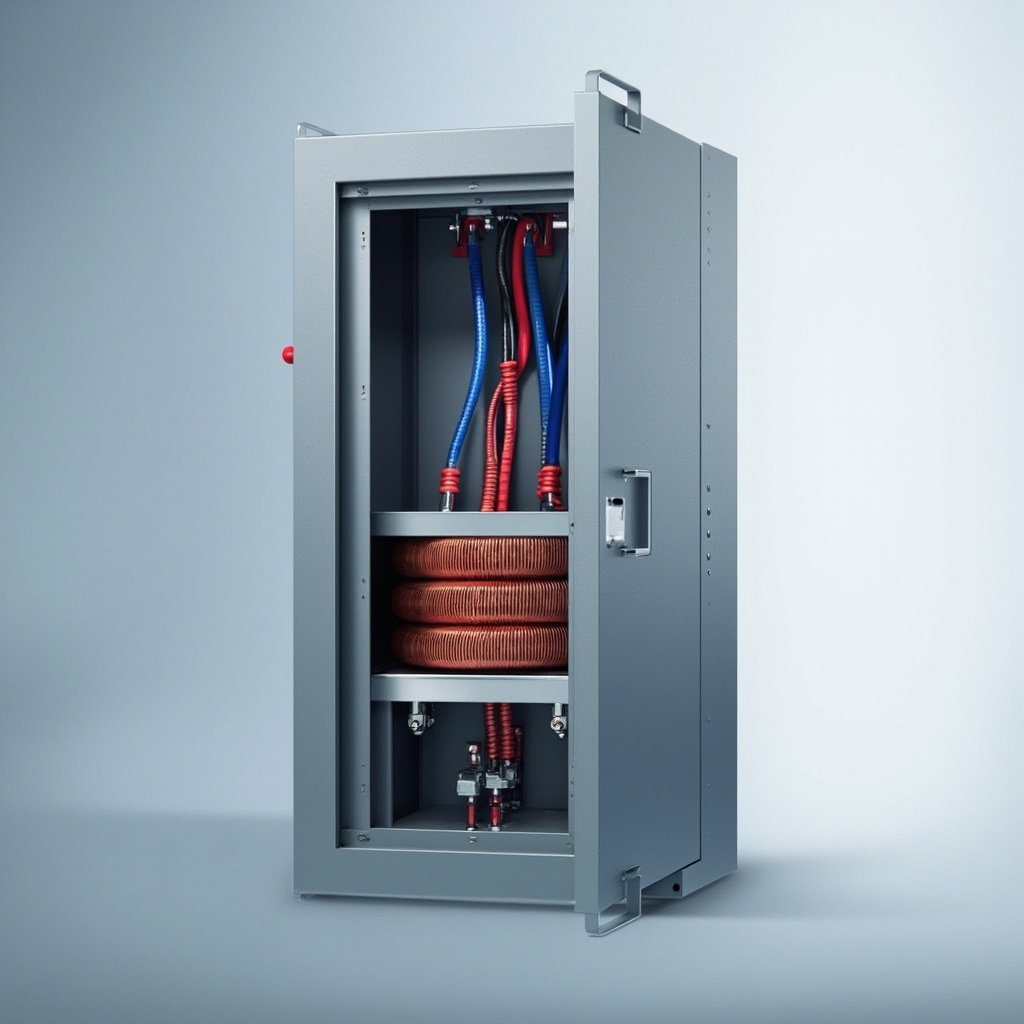
Variable Frequency Drives (VFDs) have become indispensable components in modern industrial automation and motor control applications. These sophisticated electronic devices offer precise speed control, energy savings, and improved process efficiency. However, VFDs also introduce harmonic distortion and electrical noise into power systems, which can compromise equipment performance and longevity. This is where VFD input reactors play a critical role. An input reactor, also known as a line reactor or AC reactor, is a passive electrical device that filters harmonics, limits current surges, and protects both the VFD and the connected power distribution system. Proper selection of an input reactor is essential for maximizing system reliability, reducing downtime, and ensuring compliance with power quality standards such as IEEE 519.
Understanding VFD Input Reactors: Function and Benefits
A VFD input reactor is essentially an inductor connected in series between the power supply and the VFD’s input terminals. Its primary function is to introduce impedance into the electrical circuit, which serves multiple purposes in power quality management. When the VFD draws current from the supply, the reactor limits the rate of current change, effectively smoothing out sharp current peaks caused by the drive’s rectifier section. This limitation is particularly important because modern VFDs use diode bridge rectifiers that draw current in short, intense pulses rather than in the sinusoidal pattern that utility companies prefer.
The benefits of installing input reactors extend beyond harmonic mitigation. Input reactors provide surge protection by absorbing transient voltage spikes that can occur from utility switching, lightning strikes, or other equipment on the same power network. They also reduce the dv/dt stress on the VFD’s internal components, particularly the rectifiers and DC bus capacitors, thereby extending the drive’s operational lifespan. Additionally, input reactors help meet IEEE 519 harmonic limits, which are increasingly enforced by utilities and regulatory bodies worldwide.
Key Parameters for VFD Input Reactor Selection
Selecting the appropriate input reactor requires careful consideration of several technical parameters. Engineers and technicians must evaluate each factor to ensure compatibility with both the VFD and the broader electrical system. The following subsections detail the critical selection criteria.
Voltage Rating
The voltage rating of an input reactor must at minimum match or exceed the nominal operating voltage of the VFD and power system. Standard ratings include 208V, 230V, 380V, 460V, and 480V for most industrial applications. For three-phase systems, ensure the reactor is rated for the appropriate line-to-line voltage. Always select a reactor with a voltage rating higher than the maximum expected system voltage to account for voltage transients and utility variations. Using a reactor with an inadequate voltage rating can result in insulation breakdown, catastrophic failure, and potential safety hazards.
Current Rating
The current rating, often called the ampere rating, must correspond to the VFD’s input current under full-load conditions. This parameter ensures the reactor can handle the continuous current flow without overheating. When sizing the current rating, consider:
- The VFD’s continuous input current specification from the manufacturer
- Motor nameplate current versus VFD rating
- Derating factors for elevated ambient temperatures
- Altitude considerations if installation exceeds 1,000 meters
- Future expansion or motor upgrades
Impedance Value (Percent Impedance)
The impedance value, expressed as a percentage, determines how much voltage drop occurs across the reactor at full load current. This is one of the most critical selection parameters. Standard impedance values for VFD input reactors typically range from 1.5% to 5%, with 3% being the most common choice for general applications. The following table summarizes typical impedance recommendations:
| Application Type | Typical Impedance | Harmonic Reduction | Voltage Drop |
|---|---|---|---|
| General Purpose / Light Loads | 1.5% – 3% | 25% – 35% | Minimal |
| Standard Industrial | 3% | 35% – 45% | Acceptable |
| Severe Harmonic Environment | 5% | 45% – 55% | Noticeable |
| Weak Power Systems / Long Cable Runs | 5% or higher | 50%+ | Significant |
Important Tip: When selecting impedance, remember that higher impedance provides better harmonic reduction but causes more voltage drop. If voltage drop exceeds 3-5%, motor performance may suffer. Always verify that the voltage at the VFD input terminals remains within acceptable limits after reactor installation.
Types of VFD Input Reactors
Understanding the different types of input reactors helps in making an informed selection that matches specific application requirements. Each type offers distinct advantages and is suited for particular scenarios.
Standard AC Line Reactors
These are the most common type of input reactors, designed for general-purpose use with standard VFD installations. Standard AC line reactors typically offer impedance values between 3% and 5% and are suitable for most industrial environments. They provide balanced three-phase inductance and are available in various enclosures including open-style for cabinet mounting and enclosed versions for harsh environments.
DC Link Reactors
DC link reactors are installed on the DC bus between the rectifier and inverter sections within the VFD. While technically not an input reactor, they serve complementary functions by smoothing DC bus voltage and reducing ripple current. Some applications benefit from using both input and DC link reactors for maximum harmonic mitigation. This combination is often called a “dual-stage” or “integrated” harmonic mitigation approach.
Zero-Sequence Reactors (K-Factor)
Zero-sequence reactors are specifically designed to address triplen harmonics (3rd, 9th, 15th, etc.) that can cause neutral conductor overloading in three-phase, four-wire systems. These reactors provide a path for circulating zero-sequence currents and prevent them from flowing back into the power system. K-factor rated reactors are designed to withstand the heating effects of harmonic currents without degradation.
Selection Based on Power System Characteristics
The characteristics of your power distribution system significantly influence the appropriate input reactor selection. Evaluating these factors ensures optimal performance and prevents potential compatibility issues.
Short Circuit Current Rating (SCCR)
The Short Circuit Current Rating indicates the maximum fault current the reactor can withstand without catastrophic failure. The reactor’s SCCR must be equal to or greater than the available short circuit current at the installation point. This information is typically provided by the utility company or calculated based on transformer ratings and impedance. Using a reactor with insufficient SCCR creates a safety hazard and violates electrical codes.
Power Factor and System Impedance
Systems with inherently low source impedance (strong power systems with large transformers) may experience severe harmonic currents because the voltage distortion is amplified by low source impedance. In such cases, a higher impedance input reactor (5% or more) is recommended. Conversely, weak power systems with high source impedance may already limit harmonic currents, but may suffer from excessive voltage drop with high-impedance reactors. A balanced approach of 3% impedance typically works well for most installations.