

Low-Carbon Manufacturing Automation Strategies for Sustainable Industrial Production

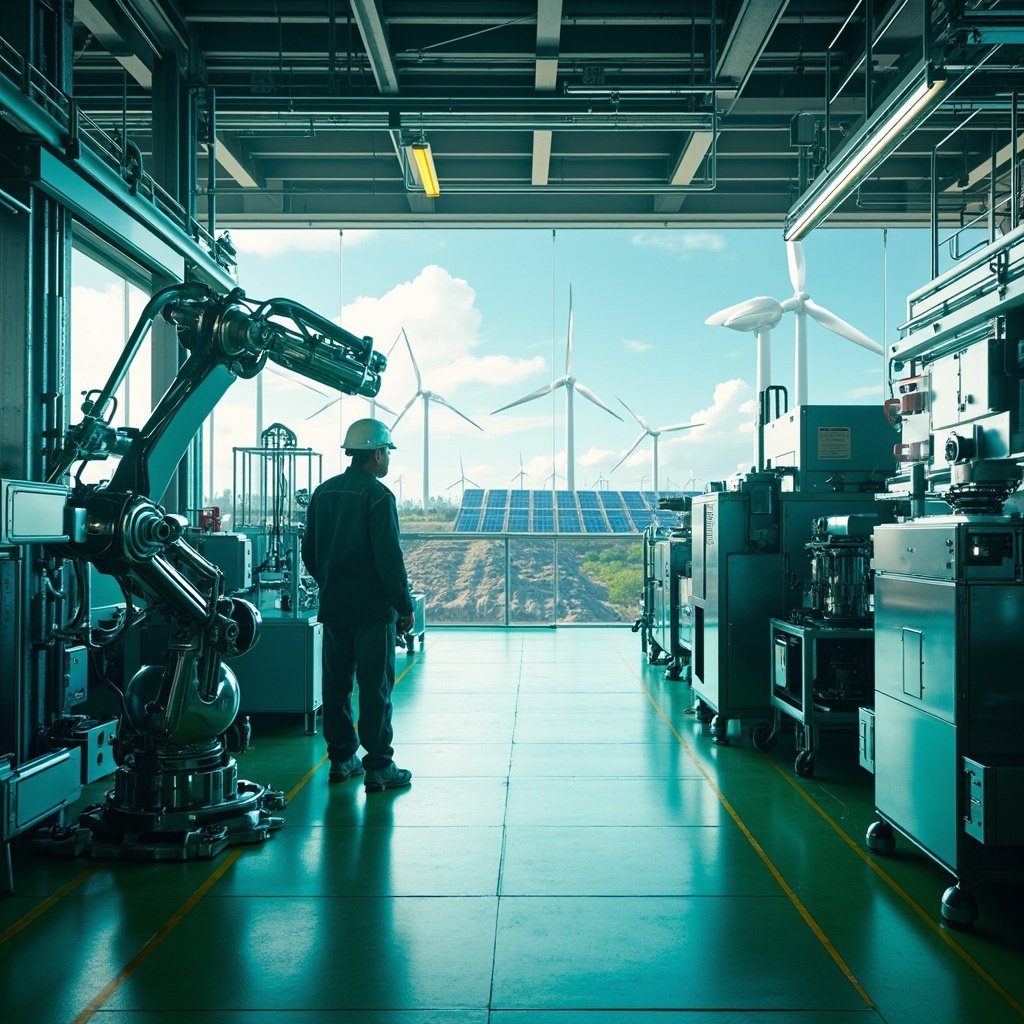
The global manufacturing sector faces unprecedented pressure to reduce its environmental footprint while maintaining competitive productivity. As industries contribute approximately 21% of global greenhouse gas emissions, the intersection of automation technology and sustainability has become a critical focal point for modern industrial transformation. Low-carbon manufacturing automation strategies represent a comprehensive approach to redesigning production systems that simultaneously optimize operational efficiency and minimize carbon emissions. This article explores the multifaceted strategies, technologies, and implementation frameworks that manufacturers can adopt to achieve sustainable automation while meeting both regulatory requirements and corporate sustainability commitments.
Understanding Low-Carbon Manufacturing Automation
Low-carbon manufacturing automation refers to the integration of intelligent automation systems specifically designed to minimize energy consumption, reduce waste, and optimize resource utilization throughout the production process. Unlike conventional automation that primarily focuses on productivity and speed, low-carbon approaches incorporate environmental metrics as core performance indicators alongside traditional KPIs such as throughput and quality.
The fundamental principle underlying these strategies is the recognition that energy efficiency and production efficiency are not mutually exclusive. In fact, optimized automation systems often achieve superior environmental performance while simultaneously improving operational outcomes. This convergence creates compelling business cases for manufacturers to invest in sustainable automation technologies.
The Business Case for Sustainable Automation
Organizations implementing low-carbon manufacturing automation strategies report multiple benefits that extend beyond environmental compliance. These advantages include reduced operational costs through lower energy consumption, enhanced brand reputation among environmentally conscious consumers, improved regulatory compliance positioning, and increased resilience against future carbon pricing mechanisms. The Return on Investment (ROI) for sustainable automation initiatives typically ranges from 18 to 36 months, depending on the specific technologies deployed and the baseline energy efficiency of existing systems.
Core Strategies for Low-Carbon Manufacturing Automation
1. Intelligent Energy Management Systems
Modern intelligent energy management systems represent a cornerstone of low-carbon manufacturing automation. These sophisticated platforms utilize machine learning algorithms and real-time data analytics to optimize energy consumption across all production equipment. Key capabilities include predictive maintenance scheduling that prevents energy-wasting equipment failures, dynamic load balancing that distributes processing tasks to the most efficient equipment, and automated demand response integration that aligns production schedules with renewable energy availability.
The implementation of smart meters and IoT sensors throughout manufacturing facilities enables granular visibility into energy consumption patterns at the equipment level. This granular data empowers automation systems to identify inefficiencies and implement corrections in real-time, often achieving 15-30% reductions in energy consumption compared to conventional manufacturing approaches.
2. Optimized Production Scheduling and Sequencing
Production scheduling optimization represents one of the most impactful low-cost strategies for reducing manufacturing carbon footprints. Traditional batch production often involves equipment warm-up cycles, changeover periods, and downtime that consume energy without generating productive output. Advanced scheduling algorithms minimize these inefficiencies by:
- Sequencing similar products consecutively to reduce changeover frequency and associated energy waste
- Consolidating production runs to maximize equipment utilization and minimize idle states
- Integrating preventive maintenance schedules that align with production downtime to eliminate separate maintenance-related energy consumption
- Coordinating multi-plant operations to leverage geographic variations in renewable energy availability
- Implementing dynamic scheduling that responds to real-time energy pricing and grid carbon intensity
3. Advanced Robotics and Collaborative Automation
The evolution of robotics technology has created opportunities for significant carbon reduction in manufacturing operations. Modern industrial robots incorporate regenerative braking systems, efficient servo motors, and optimized motion algorithms that substantially reduce energy consumption compared to earlier generations of automation equipment. Additionally, collaborative robots (cobots) enable new manufacturing configurations that eliminate transportation-related emissions within production facilities.
Energy-efficient robotics strategies include selecting appropriately sized robots for specific tasks rather than oversizing equipment, implementing power-save modes during idle periods, and utilizing path optimization software that minimizes unnecessary robot movements. These approaches can achieve energy savings of 20-40% in robotic manufacturing cells without compromising throughput or quality.
Technology Enablers for Sustainable Manufacturing
| Technology Category | Primary Carbon Reduction Mechanism | Typical Implementation Cost | Average ROI Period |
|---|---|---|---|
| AI-Powered Energy Management | Predictive optimization, demand response | $50K – $500K | 12-24 months |
| Smart Grid Integration | Renewable energy optimization, peak shaving | $100K – $1M | 18-36 months |
| Industrial IoT Sensors | Granular monitoring, anomaly detection | $25K – $200K | 8-18 months |
| Digital Twin Simulation | Process optimization, virtual commissioning | $200K – $2M | 24-48 months |
| LED Lighting & Smart HVAC | Facility energy reduction | $50K – $300K | 12-24 months |
Digital Twin Technology for Process Optimization
Digital twin technology creates virtual replicas of physical manufacturing systems that enable comprehensive simulation and optimization without disrupting actual production operations. These digital models allow engineers to test process modifications, evaluate alternative equipment configurations, and optimize parameters for minimal environmental impact before implementing changes in the physical world. The application of digital twins in low-carbon manufacturing has demonstrated potential for reducing energy consumption by 10-25% through virtual process optimization.
⚡ Key Implementation Tip:
When implementing low-carbon automation strategies, prioritize data collection infrastructure before deploying advanced optimization algorithms. Many organizations invest prematurely in sophisticated AI systems without adequate sensor networks and data quality processes. Establishing robust Industrial IoT foundations typically requires 6-12 months but creates the essential groundwork for achieving projected energy savings of 20-30% from subsequent optimization initiatives.
Renewable Energy Integration Strategies
Genuine low-carbon manufacturing requires direct integration of renewable energy sources into automated production systems. This integration extends beyond simply purchasing renewable energy certificates to actively managing production schedules around renewable energy availability. Smart manufacturing systems can automatically shift energy-intensive processes to periods when solar, wind, or hydroelectric power dominates the local energy grid.
On-Site Generation and Microgrid Integration
Manufacturing facilities increasingly deploy on-site renewable energy generation combined with intelligent microgrid systems that optimize the utilization of clean energy sources. These systems include solar photovoltaic arrays, wind turbines where appropriate, combined heat and power (CHP) systems using biomass or biogas, and thermal energy storage for process heat optimization. Automation systems coordinate these distributed energy resources with production loads to maximize self-consumption of renewable generation and minimize grid dependency.
- Assess renewable energy potential through comprehensive site analysis including solar