

Industrial Ethernet Cable Selection Guide

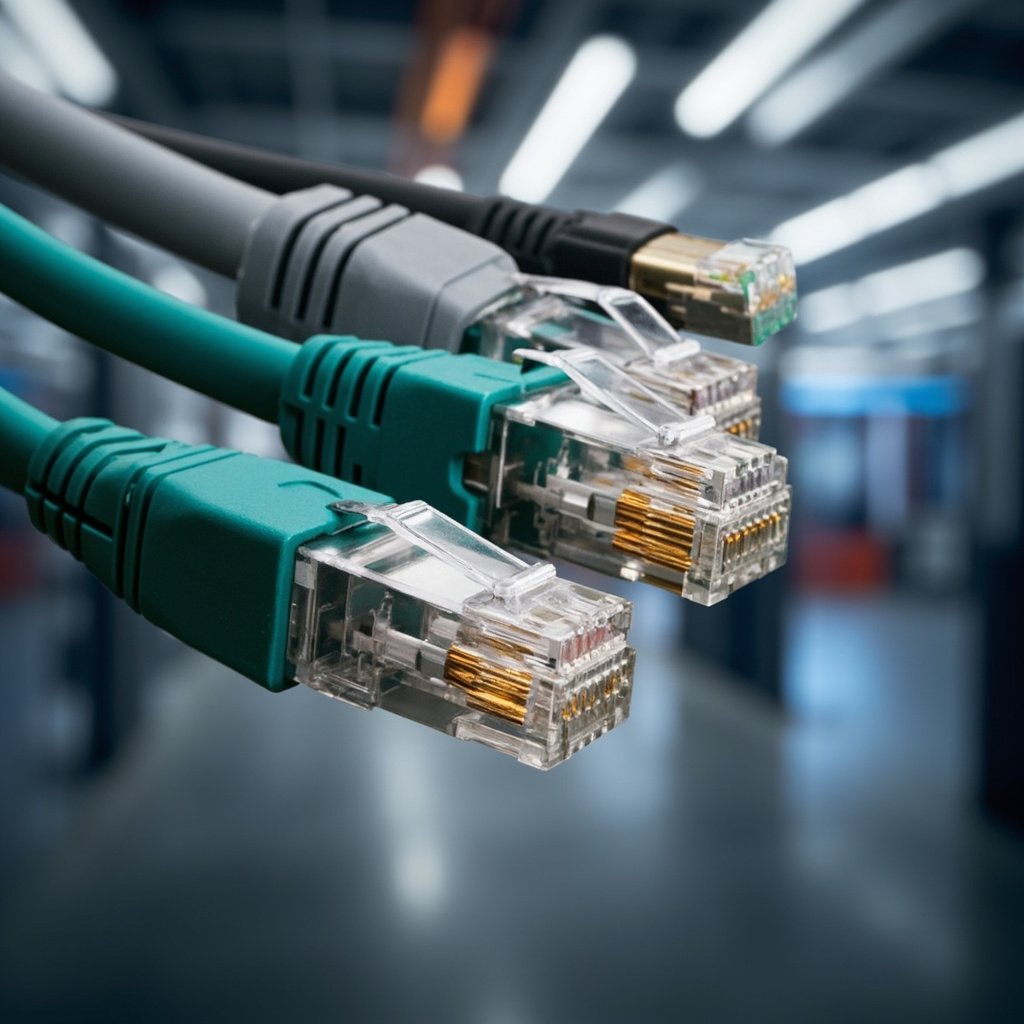
Industrial Ethernet networks form the backbone of modern manufacturing facilities, automation systems, and critical infrastructure. Selecting the right industrial Ethernet cables is not merely a purchasing decision—it is a foundational choice that directly impacts network reliability, data integrity, and operational efficiency. Whether you are upgrading an existing facility or designing a new automated production line, understanding the nuances of industrial cable selection can save thousands of dollars in downtime and maintenance costs over the life of your installation.
Understanding Industrial Ethernet Cable Basics
Industrial Ethernet cables differ significantly from their commercial counterparts. While standard office Ethernet cables are designed for controlled environments with consistent temperatures and minimal exposure to harsh elements, industrial cables must withstand demanding conditions including extreme temperatures, chemical exposure, mechanical stress, and electromagnetic interference. The core components of an industrial Ethernet cable include the conductors, insulation, shielding, and jacket materials, each playing a critical role in overall performance.
Copper-based industrial Ethernet cables typically use solid or stranded conductors, with gauge sizes ranging from 22 AWG to 26 AWG. Solid conductors offer superior electrical performance and are ideal for permanent installations, while stranded conductors provide greater flexibility for applications requiring frequent movement or flexing. The choice between solid and stranded construction depends entirely on your specific installation requirements and expected cable movement during operation.
Key Factors in Industrial Ethernet Cable Selection
Category Ratings and Data Transmission Requirements
The category rating of your industrial Ethernet cable determines its maximum data transmission speed and bandwidth capabilities. Modern industrial networks typically require Category 5e, Category 6, or Category 6a cables, with Category 7 and Category 8 becoming increasingly common in high-speed applications.
| Category | Max Speed | Max Bandwidth | Typical Application |
|---|---|---|---|
| Cat 5e | 1 Gbps | 100 MHz | Basic industrial automation, legacy systems |
| Cat 6 | 10 Gbps | 250 MHz | Standard industrial networks, motion control |
| Cat 6a | 10 Gbps | 500 MHz | High-speed data acquisition, vision systems |
| Cat 7 | 10 Gbps | 600 MHz | Industrial IoT, advanced process control |
| Cat 8 | 25-40 Gbps | 2000 MHz | Data centers, high-bandwidth applications |
When selecting a category rating, always consider not only your current bandwidth requirements but also anticipated future needs. Installing Category 6a cables during initial construction costs only marginally more than Category 5e but provides significantly greater headroom for network expansion and upgrades.
Shielding Types and EMI Protection
Electromagnetic interference (EMI) is one of the most significant challenges in industrial environments. Motors, variable frequency drives, welding equipment, and power distribution systems all generate electromagnetic noise that can degrade network signal quality. Industrial Ethernet cables offer various shielding configurations to address these challenges.
Unshielded twisted pairs (UTP) cables rely solely on the twisting of conductor pairs to cancel out interference. While suitable for office environments with minimal EMI, UTP cables are generally inadequate for industrial settings. Shielded twisted pairs (STP) incorporate metallic shielding around individual conductor pairs, providing superior protection against crosstalk and external interference. Foil shielded (F/UTP) cables use overall foil shielding, while braided shield (S/UTP) cables employ a braided copper mesh for enhanced durability and conductivity. The most robust option, shielded twisted pair with overall shielding (S/FTP), combines individual pair shielding with overall braided shielding for maximum protection in the harshest environments.
Pro Tip: When installing cables parallel to power lines, maintain a minimum separation distance of 12 inches for power cables carrying under 480V and 24 inches for higher voltages. Even with shielded cables, maintaining proper separation reduces overall EMI susceptibility and extends cable lifespan.
Jacket Materials for Industrial Environments
The outer jacket material determines a cable’s resistance to environmental factors including oil, chemicals, moisture, and UV exposure. Common industrial jacket materials include PVC (Polyvinyl Chloride), which offers good general-purpose protection at an economical price point, Polyurethane (PUR), known for exceptional flexibility, abrasion resistance, and oil resistance, and PE (Polyethylene), which provides superior moisture resistance for outdoor or underground applications.
For the most demanding industrial environments, consider TPE (Thermoplastic Elastomer) jackets that combine the processing advantages of plastics with the elastic properties of rubber, or TPU (Thermoplastic Polyurethane) jackets that offer excellent resistance to oil, fuel, and abrasion while maintaining flexibility across wide temperature ranges. Specialty compounds like LSZH (Low Smoke Zero Halogen) materials are essential in enclosed spaces where fire safety is paramount, as they emit minimal toxic smoke when exposed to flame.
Environmental Considerations and Ratings
Temperature Range and Climate Conditions
Industrial facilities often experience temperature extremes that would quickly degrade standard commercial cables. Cable temperature ratings indicate the range within which the cable can operate without performance degradation or physical damage. Cold-flex rated cables maintain flexibility at temperatures as low as -40°C, essential for outdoor installations in cold climates or unheated facilities. High-temperature rated cables can withstand continuous exposure to temperatures up to 80°C or higher, necessary for applications near heat-generating equipment or in furnace areas.
When evaluating temperature requirements, consider not only ambient operating temperatures but also heat generated by nearby equipment and any thermal cycling that might occur during production processes or facility maintenance periods. Always select cables with temperature ratings that provide at least a 20°C margin above your expected maximum operating temperature to ensure reliable long-term performance.
Mechanical Specifications
Industrial cables face mechanical stresses that commercial cables never encounter. Key mechanical specifications to evaluate include tensile strength, which indicates the maximum pulling force a cable can withstand during installation without damage, minimum bend radius, which specifies the tightest curve the cable can navigate without compromising internal structure, and flex life, which estimates how many flexing cycles the cable can endure before failure.
For cables in continuous flex applications such as cable carriers, drag chains, or moving sensors, specify cables specifically rated for flexing duty. These cables employ special stranding techniques and materials that allow them to withstand millions of flex cycles. Using standard fixed-installation cables in flex applications will result in premature failure, typically within weeks or months of operation.
Chemical and Oil Resistance
Industrial environments frequently expose cables to cutting fluids, lubricating oils, hydraulic fluids, and various chemical agents. Cable jacket materials must be selected based on their specific chemical resistance properties. PUR (Polyurethane) jackets offer excellent resistance to mineral oils, many animal and vegetable oils, and a wide range of industrial chemicals. PVC provides good resistance to water, many acids, and alkalis but may degrade when exposed to certain oils and solvents. Specialty compounds such as chloroprene rubber or specialized fluoropolymers offer superior resistance to specific aggressive chemicals but typically at higher cost.
| Jacket Material | Oil Resistance | Chemical Resistance | Flexibility | UV Resistance |
|---|---|---|---|---|
| PVC | Moderate | Good (general) | Good | Limited |
| PUR | Excellent | Good | Excellent | Good |
| PE | Limited | Good | Moderate | Excellent |
| TPE | Good | Good | Excellent | Good |
| TPU | Excellent | Excellent | Excellent | Good |
Application-Specific Cable Selection
Fixed Installation Versus Dynamic Applications
The installation method significantly impacts cable selection. Fixed installation cables are designed for permanent routing where the cable remains stationary after installation. These cables can be installed in cable trays, conduit, or direct burial applications and do not require flexibility beyond initial routing. Fixed installation cables typically use solid conductors for optimal electrical performance and signal integrity over longer distances.
Flexible cables are engineered for continuous or intermittent movement, including applications in cable carriers, robot arms, moving sensors, and automated guided vehicles. These cables employ finely stranded conductors with special binding and jacketing techniques that allow them to withstand repeated flexing without conductor breakage or jacket damage. Dynamic cables cost more than fixed installation cables but provide essential reliability in moving applications.
Outdoor and Direct Burial Installations
Cables installed outdoors face unique challenges including UV radiation, temperature extremes, moisture, and physical impact from wind-blown debris or maintenance activities. Outdoor-rated cables feature UV-resistant jacket materials that prevent degradation from sunlight exposure and are designed to maintain flexibility across wide temperature ranges. Direct burial cables add water-blocking features such as flooding compounds or water-absorbing tapes that prevent moisture ingress even when the cable jacket is compromised.
For aerial installations, specify cables with integral support members or steel messenger wires capable of bearing the cable weight across spans between support points. Always verify that outdoor-rated cables carry appropriate certifications for your geographic region and local regulatory requirements.
Connector Compatibility and Network Architecture
Industrial Ethernet networks typically utilize RJ45 connectors for standard connections, but these connectors often prove inadequate in harsh industrial environments. Consider specifying cables with M12 connectors, which offer superior sealing against dust and moisture ingress, or etherCON connectors that combineRJ45 compatibility with robust locking mechanisms. Pre-terminated cables with factory-installed connectors ensure consistent quality and eliminate field termination variables that can compromise network performance.
When planning your cable plant, account for connector insertion loss and ensure that total channel loss remains within the specifications defined by your network standard. Category 6 and higher systems are particularly sensitive to connector quality and termination practices. Investing in high-quality connectors and proper termination tools pays dividends in reduced troubleshooting and improved network reliability.
Common Mistakes to Avoid
Several frequent errors can compromise industrial Ethernet installations. Using commercial-grade cables in industrial environments is perhaps the most common mistake, leading to premature failure from environmental factors that commercial cables cannot withstand. Underestimating temperature requirements causes cable jacket cracking in cold environments and conductor degradation in hot applications.
Failing to plan for future expansion results in costly re-cabling projects when network bandwidth requirements increase. Ignoring bend radius limitations during installation can permanently damage cables, reducing their transmission performance even if no immediate failure occurs. Improper cable routing near sources of EMI without appropriate shielding or separation can introduce persistent communication errors that are difficult to diagnose and remediate.
Warning: Never substitute commercial Ethernet cables for industrial applications even for temporary connections. The risk of unexplained network failures, data corruption, and production downtime far outweighs any cost savings from using less expensive cables.
Maintenance and Inspection Best Practices
Establishing a regular inspection and maintenance schedule extends cable lifespan and prevents unexpected failures. Visual inspections should check for jacket damage, connector integrity, proper strain relief, and correct routing within cable trays. Pay particular attention to areas where cables enter enclosures, pass through walls, or make tight bends. Thermal imaging scans during operation can identify hotspots that indicate developing problems such as excessive connector resistance or cable damage.
Document all cable installations with as-built drawings showing exact routing, connector types, and circuit identification. This documentation proves invaluable during troubleshooting, facility modifications, or expansion projects. Include cable test results from installation verification in your maintenance records to establish baseline performance for future comparison.
Making Your Final Selection
Selecting industrial Ethernet cables requires balancing technical requirements, environmental conditions, budget constraints, and long-term reliability expectations. Start by clearly defining your application requirements including data rate, cable routing, environmental exposure, and expected service life. Match these requirements to cable specifications, always building in appropriate safety margins for temperature, chemical exposure, and mechanical stress.
Source cables from reputable manufacturers who provide comprehensive technical documentation, application engineering support, and realistic performance specifications. Quality industrial cables carry appropriate agency certifications including UL, CE, and relevant industry standards compliance. Request sample cables for evaluation in your specific application before committing to large purchases, and verify that your selected cables have been tested in applications similar to yours.
The investment in properly selected industrial Ethernet cables delivers returns through reduced installation failures, fewer production interruptions, lower maintenance costs, and extended network infrastructure lifespan. By understanding the factors that differentiate industrial cables from commercial alternatives and matching cable characteristics to your specific application requirements, you establish the foundation for a reliable, high-performance industrial network that will serve your facility for years to come.