

AI-Driven Predictive Maintenance for Industrial Motors: A Complete Guide

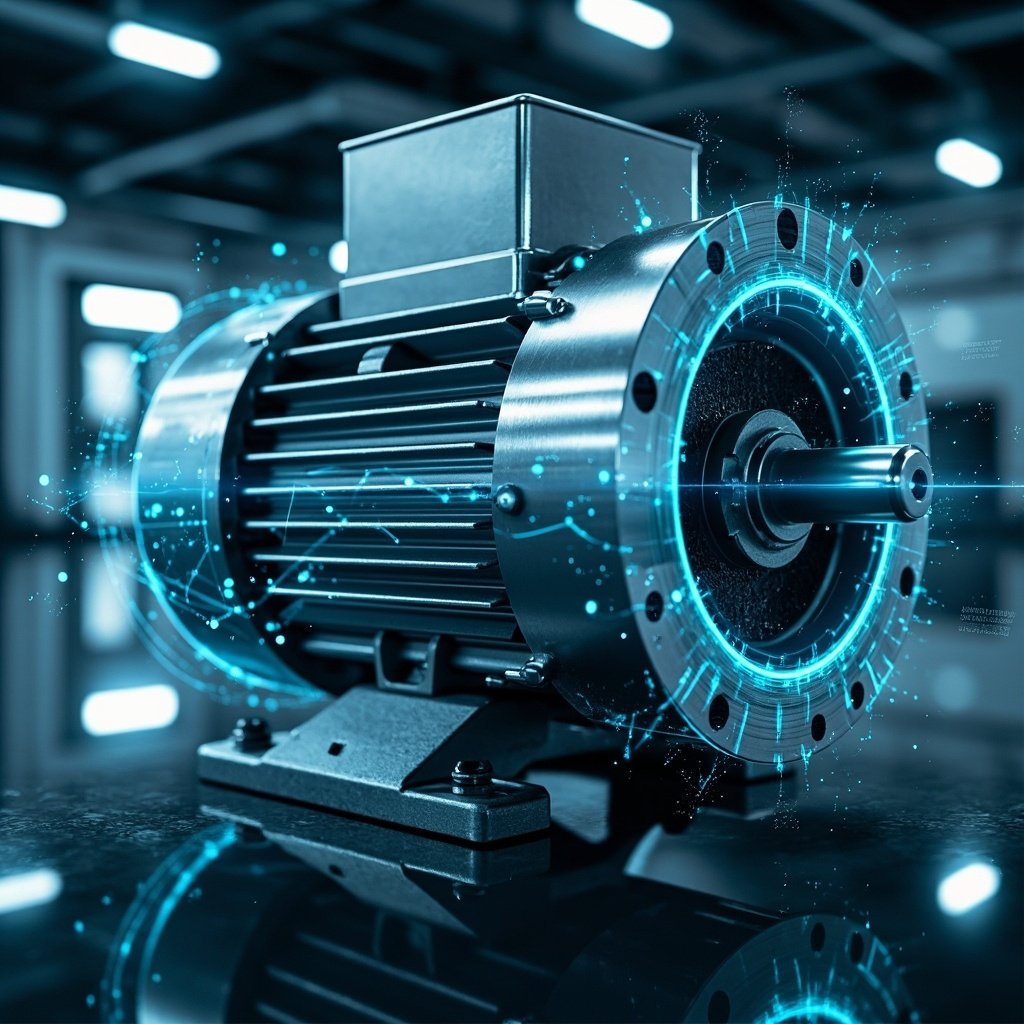

Industrial motors power the backbone of modern manufacturing, driving everything from conveyor systems to HVAC units and production lines. When these motors fail unexpectedly, the consequences are severe—costly unplanned downtime, emergency repairs, and disrupted supply chains that can cost manufacturers thousands of dollars per hour. Traditional maintenance approaches, whether reactive or preventive, are increasingly insufficient in today’s complex industrial environments. This is where AI-driven predictive maintenance emerges as a game-changing solution, leveraging artificial intelligence and machine learning to anticipate failures before they occur, optimize maintenance schedules, and maximize motor lifespan.
The Limitations of Traditional Motor Maintenance Strategies
For decades, industrial facilities have relied on two primary maintenance methodologies: reactive maintenance and preventive maintenance. While each approach has its place, both fall short when it comes to maximizing motor reliability and minimizing total cost of ownership.
Reactive Maintenance: The Costly Wait-and-Fix Approach
Reactive maintenance, sometimes called “run-to-failure,” involves operating equipment until problems become apparent through performance degradation or complete breakdown. This approach often appears cost-effective on the surface, as it eliminates spending on unused maintenance activities. However, the hidden costs are substantial and include emergency repair premiums, production losses during unplanned downtime, and potential safety hazards to personnel.
Preventive Maintenance: Scheduled but Often Inefficient
Preventive maintenance schedules maintenance activities at fixed intervals—monthly, quarterly, or annually—regardless of actual equipment condition. While this approach reduces the likelihood of unexpected failures, it frequently results in unnecessary maintenance on components that could continue operating reliably, wasting both labor and replacement parts. Conversely, components degrading faster than anticipated may fail between scheduled maintenance windows.
| Maintenance Approach | Downtime Pattern | Cost Predictability | Resource Efficiency |
|---|---|---|---|
| Reactive (Run-to-Failure) | Unplanned, disruptive | Low (unpredictable) | Poor |
| Preventive (Time-Based) | Scheduled but possibly unnecessary | Moderate | Moderate |
| Predictive (AI-Driven) | Minimized, planned | High (predictable) | Excellent |
Understanding AI-Driven Predictive Maintenance for Motors
AI-driven predictive maintenance represents a fundamental shift in how organizations monitor, analyze, and maintain their industrial motors. This technology combines advanced sensors, Internet of Things (IoT) connectivity, and sophisticated machine learning algorithms to continuously monitor motor health and predict failures with remarkable accuracy.
How AI Predictive Maintenance Systems Work
The AI predictive maintenance workflow follows a systematic process that transforms raw motor data into actionable maintenance insights:
- Data Collection: Sensors deployed on motors continuously capture operational parameters including temperature, vibration, current draw, voltage fluctuations, and acoustic signatures.
- Data Transmission: IoT gateways securely transmit sensor data to cloud-based or edge computing platforms in real-time.
- Pattern Analysis: Machine learning algorithms analyze historical and real-time data to identify patterns associated with specific failure modes.
- Anomaly Detection: The AI system detects deviations from normal operating patterns that may indicate emerging problems.
- Failure Prediction: Based on detected anomalies and learned failure signatures, the system predicts remaining useful life (RUL) and estimates time to potential failure.
- Alert Generation: Maintenance teams receive prioritized alerts with specific recommendations for action.
PRO TIP:
When implementing AI predictive maintenance, start with your most critical and expensive motors. Focus initial deployments on motors whose failure would cause significant production disruption or safety concerns. This approach maximizes ROI while your team builds expertise and confidence in the technology.
Key Technologies Powering AI Motor Maintenance
Several interconnected technologies work together to enable effective AI-driven predictive maintenance for industrial motors. Understanding these components helps maintenance managers appreciate the system’s capabilities and limitations.
Advanced Sensor Technologies
Modern predictive maintenance systems rely on multiple sensor types to capture comprehensive motor health data:
- Vibration Sensors: Detect imbalanced rotors, misaligned shafts, bearing wear, and mechanical looseness through frequency analysis.
- Temperature Sensors: Monitor winding temperatures, bearing temperatures, and coolant flow to identify overheating conditions.
- Current Sensors: Analyze electrical signatures that indicate motor load changes, insulation degradation, and power quality issues.
- Acoustic Sensors: Detect high-frequency sounds associated with partial discharge, arcing, or mechanical friction.
- Oil Analysis Sensors: For motors with lubrication systems, monitor oil quality, particle contamination, and moisture content.
Machine Learning Algorithms
The intelligence in predictive maintenance comes from sophisticated machine learning algorithms that process sensor data and generate insights. Common approaches include:
| Algorithm Type | Primary Application | Strengths |
|---|---|---|
| Supervised Learning | Classifying failure types, predicting specific outcomes | High accuracy with labeled data |
| Unsupervised Learning | Anomaly detection, pattern discovery | Finds unknown failure modes |
| Deep Learning | Complex pattern recognition, image/sound analysis | Handles high-dimensional data |
| Time Series Analysis | RUL estimation, trend forecasting | Captures temporal dependencies |
Benefits and Return on Investment
Implementing AI-driven predictive maintenance for industrial motors delivers substantial benefits across multiple dimensions. Organizations that successfully deploy these systems typically experience significant improvements in operational efficiency, cost savings, and asset longevity.
Quantifiable Benefits
- Reduced Unplanned Downtime: Studies indicate that AI predictive maintenance can reduce unplanned motor failures by 70-90%, translating to millions in saved production hours.
- Extended Motor Lifespan: By identifying and addressing issues early, organizations report 25-40% longer average motor service life.
- Maintenance Cost Reduction: Eliminate unnecessary preventive maintenance tasks, reducing overall maintenance spending by 20-35%.
- Improved Spare Parts Management: Predict parts replacement needs, reducing emergency ordering premiums and inventory carrying costs.
- Enhanced Safety: Proactive identification of motor conditions that could create safety hazards protects workers and reduces liability exposure.