

VFD Bypass Contactor Configuration: A Complete Wiring and Setup Guide

Comments Off on VFD Bypass Contactor Configuration: A Complete Wiring and Setup Guide
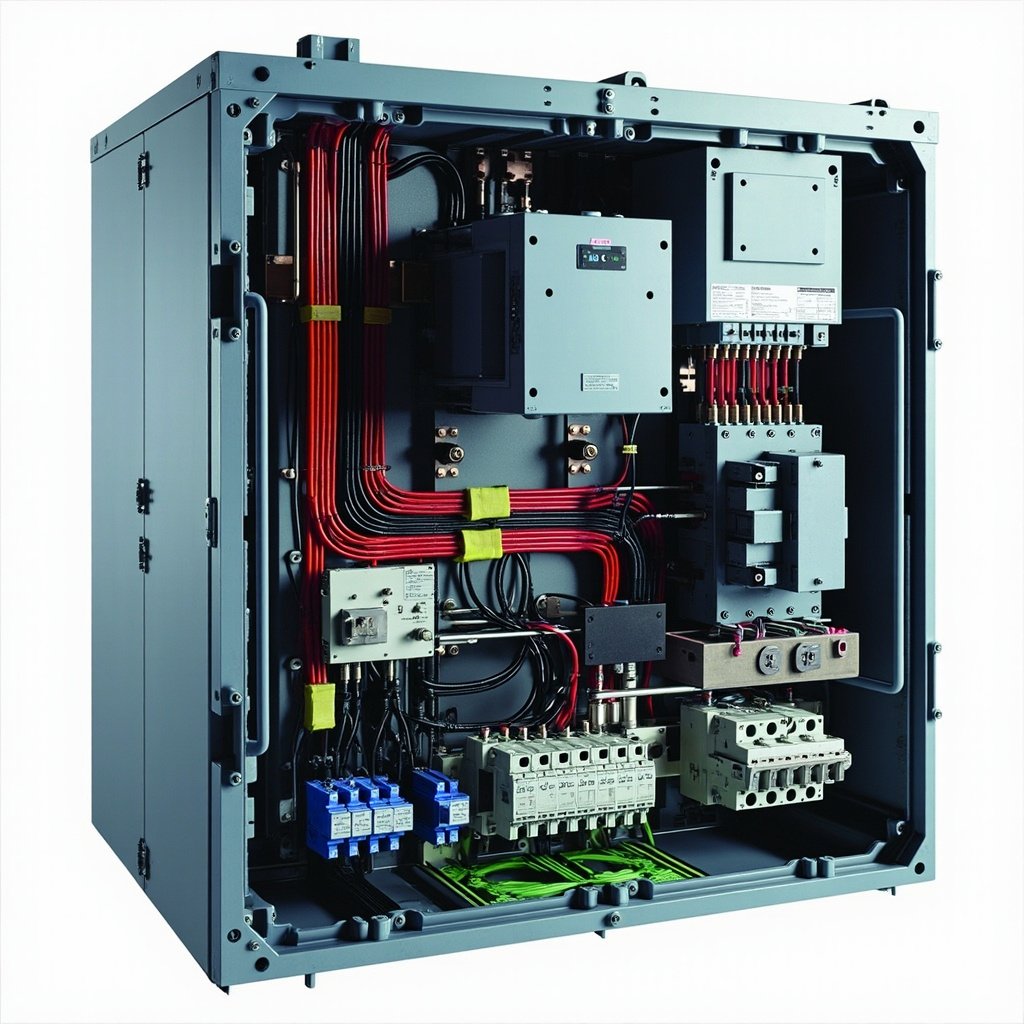
A Variable Frequency Drive (VFD) bypass contactor configuration is a critical engineering solution used in industrial motor control systems to ensure operational continuity when a VFD fails or requires maintenance. This setup allows a motor to operate across the line (direct-on-line) through a bypass pathway, eliminating single points of failure and dramatically improving system reliability. In this comprehensive guide, we will explore the architecture, wiring strategies, control logic, safety interlocks, and best practices for designing a robust VFD bypass contactor configuration suitable for HVAC, pumping, fan, and process control applications.
What Is a VFD Bypass Contactor Configuration?
A VFD bypass contactor configuration is an electrical arrangement that enables a motor to be powered either through the VFD (for variable speed operation) or directly from the AC mains (for full-speed operation). The bypass circuit typically consists of a contactor, overload relay, and control logic that automatically or manually transfers the motor between the two power sources. This redundancy is essential in mission-critical systems where downtime translates to significant financial loss or safety hazards.
The configuration is commonly used in chilled water pumps, cooling tower fans, air handling units (AHUs), and industrial conveyors where continuous operation is non-negotiable. By integrating a bypass, facility managers can service the VFD without shutting down the entire process, while also protecting the drive from short-circuit damage through coordinated protective devices.
Core Components of a Bypass System
Understanding the individual components is the first step toward designing a reliable bypass configuration. Each element plays a specific role in switching, protection, and control.
- VFD (Variable Frequency Drive): The primary power conversion device that regulates motor speed and torque by varying voltage and frequency.
- Bypass Contactor (K1): A three-pole electromagnetic contactor that connects the motor directly to the AC supply when activated.
- Drive Output Contactor (K2): An optional contactor installed between the VFD output and the motor, providing additional isolation.
- Overload Relay (OLR): A protective device that monitors current and trips the circuit in case of motor overloading.
- Control Logic (PLC or Selector Switch): The brain of the system, determining whether the motor runs in Drive Mode or Bypass Mode.
- Interlocks: Mechanical or electrical interlocks that prevent both contactors from closing simultaneously, avoiding a catastrophic short circuit.
Common Bypass Configuration Types
There are three widely adopted bypass topologies in modern industrial installations. Each offers different levels of functionality, cost, and operational flexibility.
1. Two-Contactor Bypass (Basic)
This is the most straightforward design, featuring one drive input contactor and one bypass contactor. Switching is done manually through a selector switch. It is cost-effective and easy to maintain, making it ideal for smaller motors under 50 HP.
2. Three-Contactor Bypass (Standard)
This adds an output contactor between the VFD and the motor, allowing the drive to be fully isolated for service. It provides superior protection and is the most common configuration in commercial HVAC systems.
3. Automatic Transfer Bypass (Advanced)
Equipped with intelligent controls and current sensors, this configuration automatically switches to bypass mode if a VFD fault is detected. It is essential for hospitals, data centers, and cleanrooms where zero-downtime is mandatory.
Wiring and Control Logic
The control circuit must ensure that the drive contactor (K1) and the bypass contactor (K2) are electrically and mechanically interlocked. Simultaneous engagement of both contactors would create a direct line-to-line short circuit at the VFD output stage, destroying the drive instantly. Below is a simplified representation of the control sequence:
| Mode | K1 (Drive Contactor) | K2 (Bypass Contactor) | Motor State |
|---|---|---|---|
| Drive Mode (Normal) | Closed (Energized) | Open (De-energized) | Variable speed via VFD |
| Bypass Mode (Emergency) | Open (De-energized) | Closed (Energized) | Full speed, direct online |
| Off / Maintenance | Open | Open | Motor isolated from both sources |
In PLC-based systems, the transfer logic is typically written using a sealed-in holding circuit combined with a time delay relay to prevent both contactors from being energized at the same instant. The control logic should also monitor VFD fault contacts and overload relay auxiliary contacts.
Key Safety Considerations
Working with VFD bypass contactor systems involves high-voltage equipment and rotating machinery. Strict adherence to safety standards such as NFPA 70E, IEC 60204-1, and local electrical codes is non-negotiable. Below are essential safety practices:
- Always install a lockout/tagout (LOTO) device before performing maintenance on the drive, contactors, or motor.
- Verify that the motor is suitable for across-the-line starting; some high-efficiency motors may require special consideration due to higher inrush currents.
- Ensure the bypass contactor is rated for the motor’s locked rotor current (LRA), which can be 6 to 8 times the full load current.
- Use mechanical interlocks in addition to electrical interlocks for maximum protection against simultaneous contactor closure.
- Install surge protection devices (SPDs) to safeguard the VFD from transient voltages when switching to bypass mode.
- Clearly label all terminals, wires, and components according to ANSI/IEC standards to avoid wiring errors during commissioning.
⚠️ Critical Warning: Never attempt to transfer a motor from VFD mode to bypass mode while the motor is still rotating under drive control without first stopping the drive. This can cause severe mechanical stress, overvoltage conditions, and contactor welding. Always command a stop to the VFD, wait for the motor to reach zero speed, and only then engage the bypass contactor. Failure to follow this sequence may result in equipment damage, fire, or personal injury.
Programming and Parameter Setup
Modern VFDs offer dedicated parameters to facilitate bypass operation. Configuring these correctly ensures smooth transitions and protects the drive from unintended faults.
- Run Permissive Input: Configure a digital input on the VFD to enable operation only when the drive contactor is closed.
- Fault Output Relay: Use the VFD’s fault relay to signal the PLC or control circuit to initiate automatic bypass transfer.
- Acceleration/Deceleration Ramps: Set appropriate ramp times to prevent nuisance trips during mode changes.
- Carrier Frequency: Adjust to optimize motor noise and thermal performance, especially in bypass mode where the drive is offline.
- Bypass Lockout: Some VFDs include a parameter that disables the drive when a bypass signal is received, preventing accidental back-feeding.
Maintenance Best Practices
Preventive maintenance is the cornerstone of long-term reliability. A well-maintained bypass system can extend equipment life by decades and prevent unplanned outages.
| Maintenance Task | Frequency | Method |
|---|---|---|
| Contactor inspection | Quarterly | Visual check for pitting, discoloration, and mechanical wear |
| Tightness of electrical connections | Semi-annually | Use calibrated torque tools to manufacturer specifications |
| Overload relay testing | Annually |