

Car AC Compressor: The Heart of Your Vehicle’s Cooling System

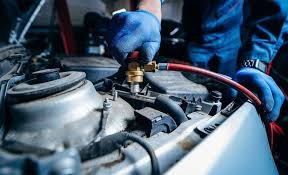
When the summer heat hits, your car's air conditioning system is a true lifesaver. At the core of this essential system lies the AC compressor, often referred to as the "heart" of your car's cooling. But what exactly does it do, and how does it work to keep you comfortable?
What is a Car AC Compressor?
The AC compressor is a pump-like device driven by your car's engine, usually via a serpentine belt. Its main job is to circulate the refrigerant (a special cooling fluid) throughout the AC system, changing its pressure and temperature to facilitate the cooling process.
The Refrigerant Cycle Explained:
- Compression: The compressor draws in low-pressure, low-temperature gaseous refrigerant from the evaporator. It then compresses this gas, turning it into high-pressure, high-temperature gas.
- Condensation: This hot, high-pressure gas moves to the condenser (usually located at the front of your car), where it releases heat to the outside air and transforms into a high-pressure, low-temperature liquid.
- Expansion: The liquid refrigerant then passes through an expansion valve or orifice tube, which rapidly reduces its pressure. This causes it to become a low-pressure, very cold liquid.
- Evaporation: Finally, this cold liquid enters the evaporator (inside your car's dashboard). As it absorbs heat from the cabin air, it turns back into a low-pressure gas, creating the cool air you feel. This gas then returns to the compressor to restart the cycle.
Types of AC Compressors
While all compressors perform the same basic function, they come in different designs:
- Piston Compressors: Use pistons to compress the refrigerant, similar to an engine.
- Rotary Compressors: Employ rotating vanes or scrolls for compression, often quieter and more efficient.
- Variable Displacement Compressors: Modern compressors that can adjust their pumping capacity to match cooling demand, improving fuel efficiency.
Did You Know? The AC compressor uses significant power from your engine. That's why you might notice a slight drop in fuel economy or engine power when the AC is running on full blast. Regular maintenance is key to keeping it running efficiently.
Common AC Compressor Issues
Like any mechanical part, AC compressors can wear out. Common signs of a failing compressor include:
- No Cold Air: The most obvious sign.
- Loud Noises: Grinding, squealing, or rattling sounds when the AC is on.
- Leaking Refrigerant: Seals can degrade over time.
- AC Clutch Failure: The clutch engages and disengages the compressor. If it fails, the compressor won't turn.
Maintaining Your AC System
To prolong the life of your AC compressor and ensure a consistently cool ride, regular maintenance is recommended. This includes checking refrigerant levels, inspecting belts, and addressing any unusual noises promptly. For professional-grade tools and components for automotive repair or industrial automation, reliable sourcing can be found at edv-automation.com.