

How to Choose an Industrial Product Procurement Platform

Comments Off on How to Choose an Industrial Product Procurement Platform
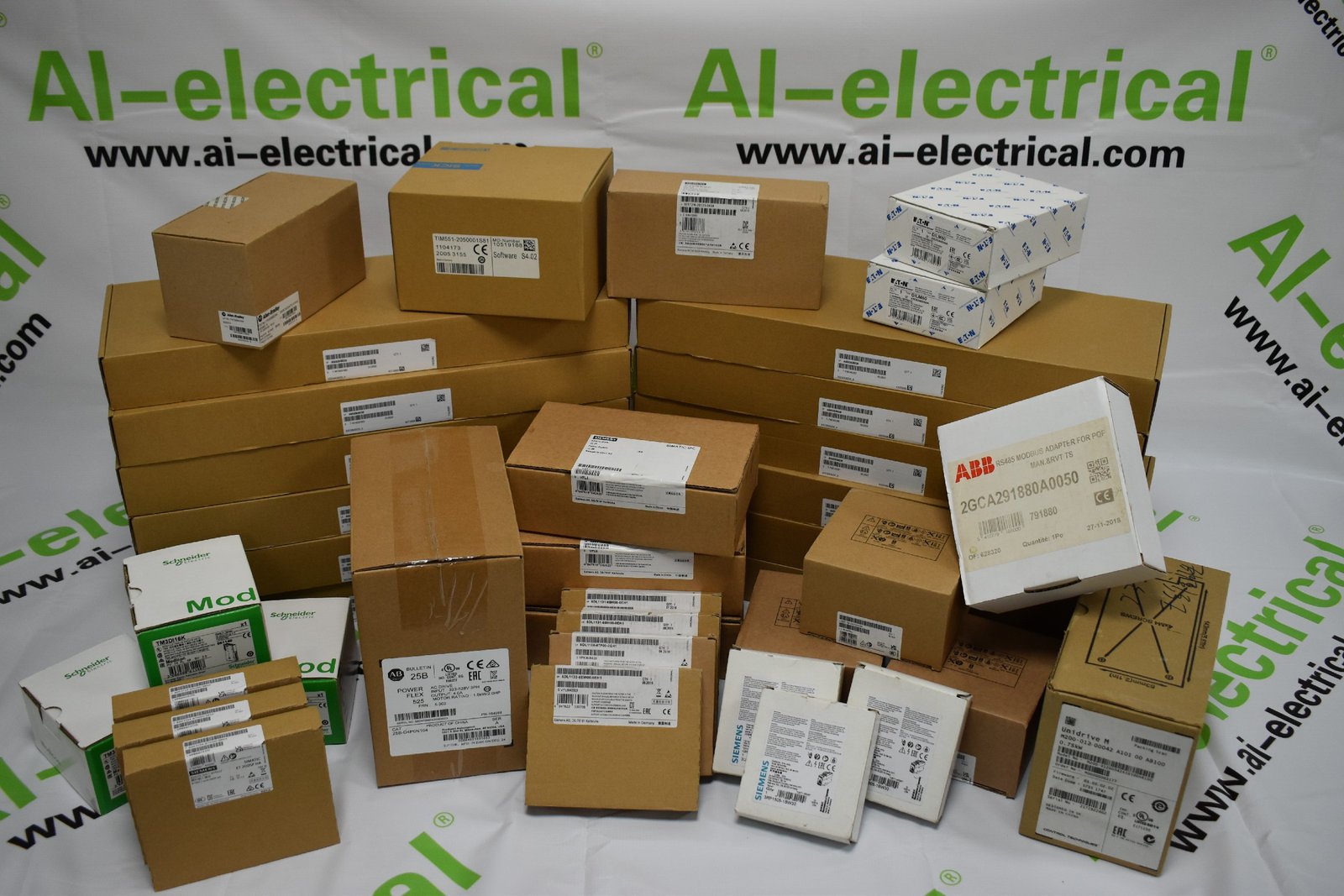
A complete buyer’s guide to selecting B2B marketplaces, e‑procurement software, and strategic sourcing platforms for industrial procurement in 2026.
The global B2B e‑commerce market is projected to reach $36.16 trillion in 2026. Digital procurement channels are no longer optional but essential. By 2025, Gartner predicts that 80% of B2B sales interactions will occur through digital channels.
1. The Shifting Landscape: Why Your Procurement Strategy Needs a Platform
- Digital-first buyers – Professional buyers expect the same speed, transparency, and personalization as B2C experiences, but with much larger order sizes and longer decision cycles.
- Supply chain resilience – Geopolitical disruptions, raw material volatility, and ESG mandates demand supplier diversification and real‑time visibility.
- AI and automation – 67% of B2B enterprises now use AI in some procurement capacity, shifting from task automation to intelligent prediction and decision support.
✅ The takeaway: A well‑chosen procurement platform is not just a tool — it is a strategic asset that reduces cost, mitigates risk, and unlocks working capital.
2. Types of Industrial Procurement Platforms
2.1 B2B Online Marketplaces
Digital platforms where multiple suppliers and buyers transact. Examples include Alibaba, ThomasNet, Amazon Business, and Made‑in‑China.com. Best suited for discovering new suppliers, comparing prices, and onboarding vendors quickly.
2.2 E‑Procurement Software
Digital tools that automate requisitions, approvals, purchase orders, invoices, and payments. Often integrated with ERP systems. Examples include SAP Ariba, Coupa, and Jaggaer.
2.3 Strategic Sourcing Platforms
Connected systems for supplier management, contract lifecycle management, spend analytics, and guided buying. They unify fragmented procurement activities.
2.4 MRO (Maintenance, Repair & Operations) Platforms
Specialized platforms for indirect procurement — spare parts, consumables, and maintenance supplies. AI-driven MRO platforms can reduce inventory costs by up to 18% and cut downtime by over 60%.
2.5 Vertical / Niche Industrial Platforms
Industry‑specific portals for electronics (Digi‑Key, Mouser), heavy machinery, chemicals, or medical devices. These offer deep technical expertise and curated supplier networks.
3. Four‑Dimensional Evaluation Matrix
Based on leading industry frameworks, here is a four‑dimensional evaluation matrix to compare platforms systematically:
Dimension 1: Data Breadth, Quality & Timeliness
- Coverage – total data volume, annual additions, penetration across government, state‑owned enterprises, and private sectors.
- Data quality – field parsing accuracy, duplicate removal, original source links for verification.
- Timeliness – sync delay from information release to platform availability (crucial for tender opportunities).
Dimension 2: Smart Tools & Workflow Enablement
- AI‑powered opportunity matching based on buyer/seller profiles.
- Automated RFQ generation, bid comparison engines, and audit trails.
- Risk alerts (e.g., high disqualification rates of certain buyers).
Dimension 3: Strategic Intelligence & Decision Support
- Competitor tracking (bidding patterns, price positioning).
- Buyer profiling and decision‑chain mapping.
- Market trend reports and regional concentration analysis.
Dimension 4: Integration, Security & Compliance
- ERP/CRM integration (SAP, Oracle, Microsoft Dynamics via RESTful APIs or EDI).
- Security certifications: SOC 2 Type II, ISO 27001, GDPR/CCPA readiness, SAML/SSO for role‑based access.
- Escrow‑based milestone payments and source code ownership transfer for custom systems.
4. Comparative Snapshot: Leading Industrial Procurement Platforms
| Platform | Primary Use Case | Key Strength | Considerations | Typical Audience |
|---|---|---|---|---|
| Alibaba.com | Global supplier discovery | Vast supplier base, low entry barrier, Trade Assurance | High competition for visibility; requires active account optimization | SMEs, global buyers |
| ThomasNet | North American industrial sourcing | Highly vetted suppliers, deep technical specs, RFQ/RFI tools | Limited global coverage beyond US/Canada | Industrial engineers, OEM buyers |
| Amazon Business | MRO and indirect spend | Familiar UI, quantity discounts, multi‑user accounts | Less suitable for highly customized or large capital equipment | Facility managers, procurement teams |
| Made‑in‑China.com | Traditional manufacturing | Lower membership cost, strong in heavy industries | Smaller international buyer base outside targeted sectors | Manufacturing, raw material buyers |
| SAP Ariba | Enterprise source‑to‑pay | Deep SAP ERP integration, extensive partner ecosystem | Complex UI, high implementation cost | Large enterprises, multinationals |
| Coupa | Unified spend management | AI‑driven visibility, intuitive UX | Supplier performance scorecarding less central | Enterprises with strong finance focus |
| Jaggaer | Universities, government, supply chains | Extensive form builder, compliance‑focused | Dated interface, admin‑heavy config | Public sector, higher education |
5. Build vs. Buy: Key Decision Factors
- In‑house development – Full customization, IP retention, no recurring license fees. Suitable for enterprises with strong IT capabilities. Challenges: longer time‑to‑value, maintenance overhead.
- Off‑the‑shelf (SaaS) platform – Faster deployment, predictable subscription costs, automatic updates. Best for most mid‑sized companies. Evaluate TCO over 3–5 years.
- Hybrid approach – Pre‑built SaaS for rapid deployment plus custom modules. Increasingly popular among industrial buyers.
6. Industry‑Specific Guidance
- Heavy machinery & capital equipment – ThomasNet (North America), Made‑in‑China.com (global).
- Electronics & components – Global Sources, Digi‑Key, Mouser.
- MRO & consumables – Amazon Business, Grainger, MSC Industrial.
- Chemicals & raw materials – Alibaba, ECPlaza, industry‑specific exchanges.
- Packaging & printing – Alibaba, ThomasNet, specialized packaging portals.
7. Operational KPIs to Evaluate Platform Performance
- Coverage rate – % of relevant market (tenders, suppliers) represented; target ≥75%.
- Response time – Ideal ≤2 hours for supplier queries.
- On‑time delivery rate – Target ≥95% for logistics‑enabled platforms.
- Reorder rate – >30% indicates strong client retention.
- Cost per transaction – Compare with traditional procurement.
8. AI Readiness: What to Demand in 2026
- Predictive analytics – Forecast price fluctuations, supply disruptions.
- Agentic AI – Systems that reason, recommend, and act under governance.
- ESG intelligence – Carbon footprint, supplier sustainability scores, compliance (CSRD).
- Explainability & audit trails – For AI‑driven decisions (supplier scoring, contract renewal).
💡 Pro tip: Ask vendors for sample audit logs, model rationale documentation, and case studies on how their AI handled exceptions.
9. Implementation Roadmap: 6 Steps to Success
- Conduct needs analysis – Identify pain points: maverick spending, long approval cycles, lack of data.
- Define measurable goals – e.g., reduce procurement cycle time by 30%.
- Build the selection team – Include procurement, finance, IT, business users.
- Shortlist 3–5 platforms – Use evaluation matrix; demand live demos.
- Run a pilot – Test limited scope (one category/department) for 4–8 weeks.
- Measure ROI and negotiate – Include implementation, training, and hidden integration costs.
10. Future Trends: Procurement Platforms Beyond 2026
- Unified data models – Single canonical model across suppliers, contracts, spend, ESG metrics.
- Blockchain for traceability – Increasing requirement for raw material provenance.
- Embedded trade finance – Dynamic discounting, supply chain finance, invoice factoring.
- Supplier ecosystem orchestration – Platforms evolving from marketplaces to multi‑tier orchestrators.
Conclusion
Choosing an industrial procurement platform is not one‑size‑fits-all. The best platform depends on product type (raw materials, components, MRO, machinery), target market, transaction volume, and existing IT infrastructure. By applying the four‑dimensional evaluation matrix — data quality, smart tools, strategic intelligence, and integration — you can confidently select a platform that delivers measurable cost savings, reduces risk, and future‑proofs your supply chain.
🔗 Final advice: Test at least two platforms with real purchase orders before committing to a multi‑year contract. Prioritize platforms that offer open APIs and clear data portability — vendor lock‑in remains a hidden cost in many procurement technology decisions.
*All trademarks are property of their respective owners. This guide is for informational purposes. Always verify platform capabilities with current vendor documentation.
© 2026 Industrial Procurement Platform Buyer’s Guide – Independent reference. For official product information, consult platform providers directly.