

Motor Thermal Protection: A Complete Guide to Overload Prevention

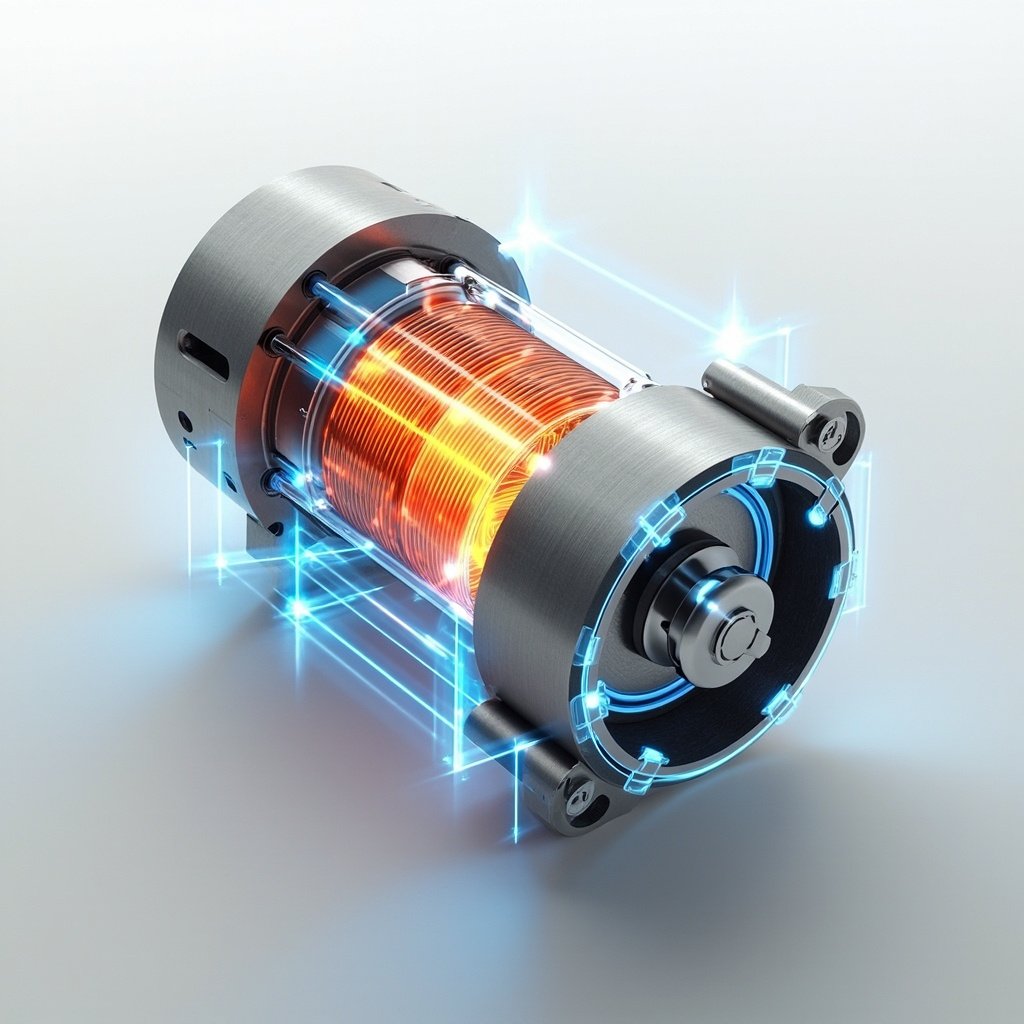
Motor thermal protection is a critical safety mechanism designed to prevent electric motors from overheating, which can lead to insulation failure, reduced lifespan, and catastrophic equipment damage. Whether in industrial machinery, HVAC systems, pumps, or household appliances, electric motors generate heat during operation due to electrical resistance, mechanical friction, and magnetic losses. Without proper thermal protection, motors can exceed safe temperature thresholds, resulting in winding burnout, bearing failure, or even fire hazards. This comprehensive guide explores the principles, types, applications, and best practices for motor thermal protection, helping engineers, technicians, and facility managers safeguard their equipment and operations.
Why Motor Thermal Protection Is Essential
Electric motors are the workhorses of modern industry, but they are also vulnerable to thermal stress. Overheating can occur due to several factors, including overload conditions, locked rotor events, voltage imbalances, poor ventilation, ambient temperature extremes, and frequent starts/stops. Thermal protection serves three primary purposes: preventing equipment damage, ensuring personnel safety, and maintaining operational reliability. According to industry studies, thermal-related failures account for approximately 30% to 40% of all motor failures, making thermal protection one of the most cost-effective investments for any motor-driven system.
Consequences of Inadequate Thermal Protection
- Insulation breakdown and winding short circuits
- Permanent damage to motor windings and bearings
- Increased fire and electrical hazard risks
- Unplanned downtime and costly production losses
- Reduced motor lifespan and premature replacement
- Higher energy consumption due to inefficient operation
How Motor Thermal Protection Works
Thermal protection operates on the principle of monitoring motor temperature and interrupting the power supply when temperatures exceed safe limits. The most common approach uses a bimetal strip or thermistor-based sensor that reacts to heat by changing shape or resistance. When the motor reaches a preset temperature, the sensor triggers a control circuit that either trips a contactor or sends a signal to a motor protection relay, shutting down the motor before damage occurs.
Temperature Classes and Insulation Ratings
Motors are classified by insulation temperature ratings defined by the National Electrical Manufacturers Association (NEMA) and the International Electrotechnical Commission (IEC). These ratings determine the maximum allowable operating temperature and dictate the type of thermal protection required.
| Insulation Class | Max Temperature (°C) | Typical Applications |
|---|---|---|
| Class A | 105°C | Small fractional HP motors, household appliances |
| Class B | 130°C | Standard industrial motors, fans, pumps |
| Class F | 155°C | High-performance motors, HVAC compressors |
| Class H | 180°C | Severe duty applications, traction motors |
Types of Motor Thermal Protection Devices
Modern motor protection systems use various technologies, each suited to specific applications and motor sizes. Understanding the differences helps in selecting the right solution for your equipment.
1. Thermal Overload Relays
Thermal overload relays are the most common form of motor thermal protection. They use bimetallic strips that bend when heated by current flowing through the motor. As the strip bends, it eventually trips a mechanical latch that opens the control circuit and stops the motor. These relays are inexpensive, reliable, and easy to install, making them ideal for standard industrial applications.
2. Thermistor-Based Protection (PTC and NTC)
Thermistors are temperature-sensitive resistors embedded directly in the motor windings. Positive Temperature Coefficient (PTC) thermistors sharply increase resistance at a critical temperature, while Negative Temperature Coefficient (NTC) thermistors decrease resistance with rising heat. PTC thermistors are most commonly used because they provide direct, accurate temperature monitoring of the actual windings rather than inferring heat from current draw.
3. RTD (Resistance Temperature Detectors)
RTDs offer highly precise temperature measurement using platinum or nickel sensing elements. They provide continuous analog temperature data and are typically used in large motors, critical process equipment, and high-value assets where precise thermal monitoring is essential.
4. Electronic Motor Protection Relays
Advanced electronic relays combine multiple protection functions, including thermal modeling based on current measurements, voltage monitoring, phase loss detection, and communication capabilities. These devices use thermal image memory to simulate motor heating and cooling curves, providing superior protection for variable frequency drives (VFDs) and complex motor applications.
Comparison of Thermal Protection Methods
| Protection Type | Accuracy | Response Time | Best Use Case |
|---|---|---|---|
| Thermal Overload Relay | Moderate | Slow to Moderate | Standard motors, general industry |
| PTC Thermistor | High | Fast | Direct winding protection |
| RTD Sensor | Very High | Fast | Large/critical motors |
| Electronic Relay | Very High | Adjustable | VFD-driven systems, smart factories |
⚠️ Important Warning: Never bypass or override motor thermal protection devices. While it may seem convenient to disable a tripping relay during emergencies, doing so removes the primary defense against motor burnout, fire hazards, and personnel injury. If a motor repeatedly trips, the underlying cause—such as overload, phase imbalance, or poor ventilation—must be identified and corrected.
Applications Across Industries
Motor thermal protection is essential across virtually every sector that uses electric motors. Key industries include:
- Manufacturing: Conveyor systems, robotic arms, machine tools, and assembly lines.
- HVAC: Compressors, blowers, and circulation pumps in residential and commercial systems.
- Water and Wastewater: Submersible pumps, aerators, and treatment equipment.
- Oil and Gas: Drilling rigs, pipeline compressors, and refinery machinery.
- Automotive: Electric vehicle powertrains, charging stations, and production robots.
- Agriculture: Irrigation pumps, grain handling equipment, and ventilation fans.
Best Practices for Motor Thermal Protection
Implementing effective motor thermal protection requires careful planning, proper installation, and ongoing maintenance. Follow these best practices to maximize motor reliability and safety:
- Select the correct insulation class and thermal protection based on motor specifications and operating environment.
- Ensure proper ventilation and ambient temperature control around the motor.
- Regularly inspect and test thermal protection devices for proper function.
- Match the protection device’s current rating to the motor’s full-load amps (FLA).
- Use coordinated protection schemes when motors are controlled by circuit breakers, contactors, and overload relays.
- For VFD applications, consider using motors with reinforced insulation and dedicated VFD-rated protection.
- Document all thermal protection settings and keep records of any motor trips or replacements.
Future Trends in Motor Thermal Protection
The future of motor thermal protection is being shaped by Industry 4.0, the Industrial Internet of Things (IIoT), and advances in artificial intelligence. Smart sensors with wireless connectivity now allow real-time remote monitoring of motor temperatures, enabling predictive maintenance strategies that identify thermal issues before they cause failure. AI-powered analytics can detect subtle temperature patterns that indicate bearing wear, insulation degradation, or cooling system problems, transforming thermal protection from a reactive safety feature into a proactive performance optimization tool.